
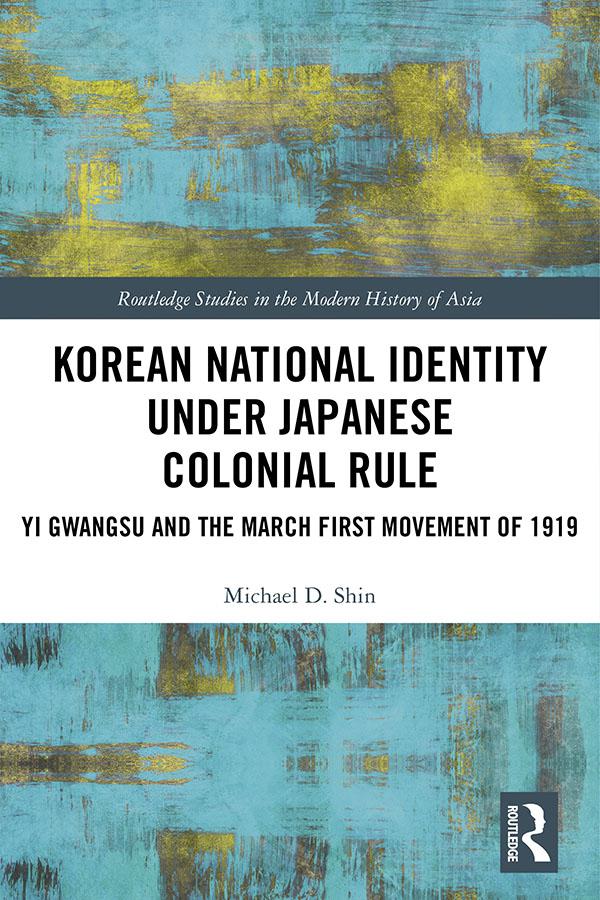
Modern Korean nationalism has been shaped by the turbulent historical forces that shook and transformed the peninsula during the twentieth century, including foreign occupation, civil war, and division. This book examines the emergence of the nation as the hegemonic form of collective identity after the March First Movement of 1919, widely seen as one of the major turning points of modern Korean history. The analysis focuses on Yi Gwangsu (1892–1950), a pioneering novelist, newspaper editor, and leader of the nationalist movement, who was directly involved in many aspects of its emergence during the Japanese occupation period. Yi Gwangsu was one of the few intellectuals who not only wrote for almost the entirety of the colonial period but who also was centrally involved in many institutions related to the production of identity. By focusing on Yi Gwangsu the book provides a different kind of historical narrative linking the various fragments of the nation, puts forward a new understanding of the March First Movement and its role in the emergence of the nation, and demonstrates how central to the emergence of the nation were the development of the print industry, the rise of a modern readership, and the emergence of a capitalist market for print. This book shows how the March First Movement catalyzed the confluence of these factors, enabling the nation to emerge as the dominant form of collective identity.
Płać wygodnie kartą, Klarną, Apple Pay lub Google Pay. Nie jesteś zadowolony? Zawsze masz 14-dniową gwarancję zwrotu pieniędzy. Więcej przeczytasz w naszych warunkach. Masz pytania? Napisz do nas na hello@memmo.org.
Memmo ułatwia naukę – gdziekolwiek jesteś na świecie. U nas znajdziesz podręczniki i sprytne narzędzia do nauki w jednym miejscu: streszczenia, quizy, podcasty i fiszki. A do tego Ted, Twój kumpel do nauki, który odpowie na wszystko, co Cię nurtuje. Ponad 50 000 studentów już tu się uczy – stworzone, byś uczył się szybciej i mniej stresował.
Może Ci się spodobać
Kup książkę0