
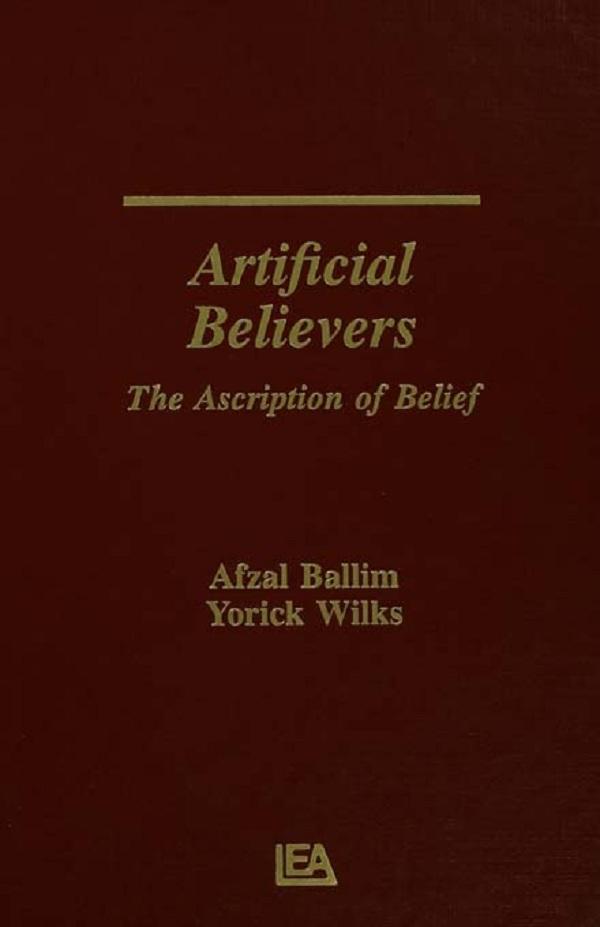
Modeling of individual beliefs is essential to the computer understanding of natural languages. Phenomena at all levels -- syntactic, semantic, and pragmatic -- cannot be fully analyzed in the absence of models of a hearer and of the hearer's model of other believers. The heart of this text is the presentation of an artificial intelligence (AI) program intended to simulate certain aspects of a human believer. This book provides a prolog program, Viewgen, that maintains belief structures about the world and other believers, and is able to ascribe beliefs to others without direct evidence by using a form of default reasoning. The authors contend that a plausible model such as this can -- in the best cognitive science tradition -- shed light on the long-standing philosophical problem of what belief is.
The issues presented here will be of considerable interest to an informed general reader as well as those with a background in any of the disciplines that make up what is now called cognitive science: philosophy, linguistics, psychology, neuropsychology, and also AI itself.
Płać wygodnie kartą, Klarną, Apple Pay lub Google Pay. Nie jesteś zadowolony? Zawsze masz 14-dniową gwarancję zwrotu pieniędzy. Więcej przeczytasz w naszych warunkach. Masz pytania? Napisz do nas na hello@memmo.org.
Memmo ułatwia naukę – gdziekolwiek jesteś na świecie. U nas znajdziesz podręczniki i sprytne narzędzia do nauki w jednym miejscu: streszczenia, quizy, podcasty i fiszki. A do tego Ted, Twój kumpel do nauki, który odpowie na wszystko, co Cię nurtuje. Ponad 50 000 studentów już tu się uczy – stworzone, byś uczył się szybciej i mniej stresował.