
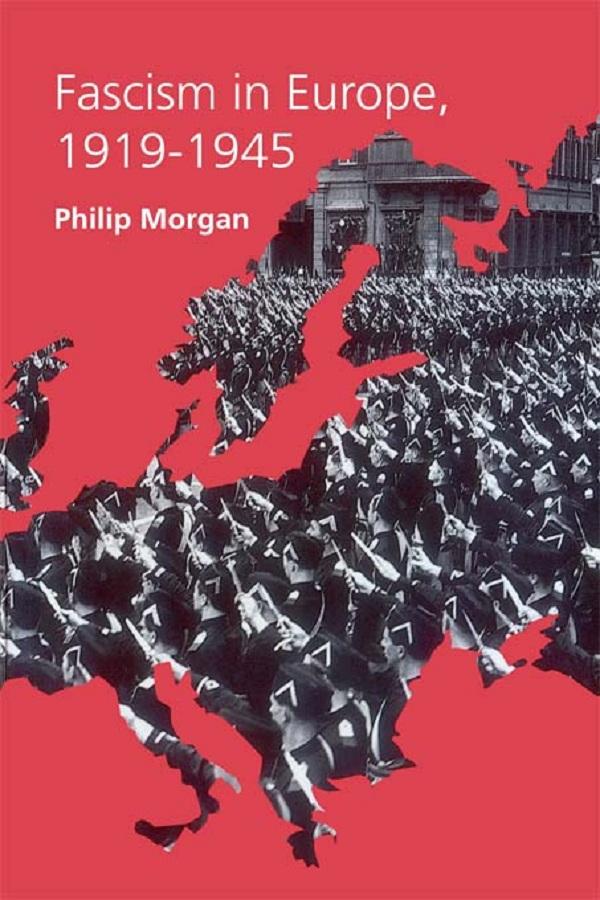
Fascism in Europe, 1919-1945 surveys the phenomenon which is still the object of interest and debate over fifty years after its defeat in the Second World War. It introduces the recent scholarship and continuing debates on the nature of fascism as well as the often contentious contributions by foreign historians and political scientists.
From the pre-First World War intellectual origins of Fascism to its demise in 1945, this book examines:
* the two 'waves' of fascism - in the immediate post-war period and in the late 1920s and early 1930s
* whether the European crisis created by the Treaty of Versailles allowed fascism to take root
* why fascism came to power in Italy and Germany, but not anywhere else in Europe
* fascism's own claim to be an international and internationalist movement
* the idea of 'totalitarianism' as the most useful and appropriate way of analyzing the fascist regimes.
Płać wygodnie kartą, Klarną, Apple Pay lub Google Pay. Nie jesteś zadowolony? Zawsze masz 14-dniową gwarancję zwrotu pieniędzy. Więcej przeczytasz w naszych warunkach. Masz pytania? Napisz do nas na hello@memmo.org.
Memmo ułatwia naukę – gdziekolwiek jesteś na świecie. U nas znajdziesz podręczniki i sprytne narzędzia do nauki w jednym miejscu: streszczenia, quizy, podcasty i fiszki. A do tego Ted, Twój kumpel do nauki, który odpowie na wszystko, co Cię nurtuje. Ponad 50 000 studentów już tu się uczy – stworzone, byś uczył się szybciej i mniej stresował.