
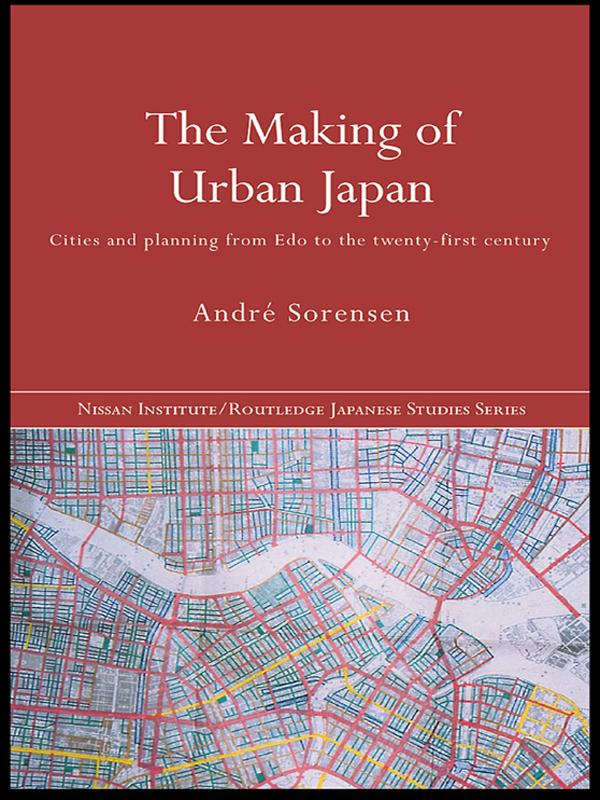
During the twentieth century, Japan was transformed from a poor, primarily rural country into one of the world's largest industrial powers and most highly urbanised countries. Interestingly, while Japanese governments and planners borrowed carefully from the planning ideas and methods of many other countries, Japanese urban planning, urban governance and cities developed very differently from those of other developed countries. Japan's distinctive patterns of urbanisation are partly a product of the highly developed urban system, urban traditions and material culture of the pre-modern period, which remained influential until well after the Pacific War. A second key influence has been the dominance of central government in urban affairs, and its consistent prioritisation of economic growth over the public welfare or urban quality of life. André Sorensen examines Japan's urban trajectory from the mid-nineteenth century to the present, paying particular attention to the weak development of Japanese civil society, local governments, and land development and planning regulations.
Strony: 400
Kategoria: Arkitektur & Stadsplanering
e-ISBN: 9781134736577
Waga przesyłki: 1.2 kg
Wysyłka w ciągu: 1-2 dni
Płać wygodnie kartą, Klarną, Apple Pay lub Google Pay. Nie jesteś zadowolony? Zawsze masz 14-dniową gwarancję zwrotu pieniędzy. Więcej przeczytasz w naszych warunkach. Masz pytania? Napisz do nas na hello@memmo.org.
Memmo ułatwia naukę – gdziekolwiek jesteś na świecie. U nas znajdziesz podręczniki i sprytne narzędzia do nauki w jednym miejscu: streszczenia, quizy, podcasty i fiszki. A do tego Ted, Twój kumpel do nauki, który odpowie na wszystko, co Cię nurtuje. Ponad 50 000 studentów już tu się uczy – stworzone, byś uczył się szybciej i mniej stresował.
Może Ci się spodobać
Kup książkę0