
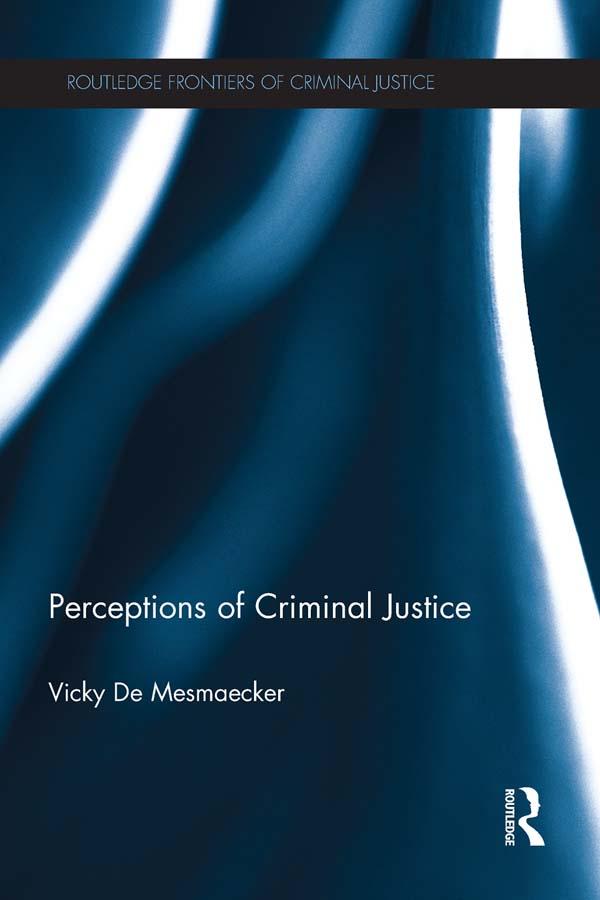
In recent decades, research into the legitimacy of criminal justice has convincingly demonstrated the importance of procedural justice to citizens’ sense of trust and confidence in legal authorities and their resulting willingness to conform to the law and cooperate with the legal authorities. Reversing the age-old question ‘why do people break the law?’, theories of procedural justice have provided insight into the factors that encourage people to abide by the law, suggesting that experiences of procedural fairness are crucial to achieving compliance with the law and to enhancing the legitimacy of criminal justice.
While these studies are important in showing that legal authorities need to pay attention to the fairness judgements of the people involved in legal procedures, the focus on showing the importance of procedural justice has had the ironic consequence of distracting researchers from studying the equally important question of what fairness means to the people involved in legal proceedings.
In one of the first studies on procedural justice to use a qualitative research design, the author provides the reader with detailed and insightful descriptions of the elements that determine how victims and defendants assess the fairness of their contact with the police and the courts. Focusing on both the pre-trial and the post-trial phases, this book will be of interest to academics and students engaged in the study of the psychology of law, procedural justice and the legitimacy of criminal justice.
Płać wygodnie kartą, Klarną, Apple Pay lub Google Pay. Nie jesteś zadowolony? Zawsze masz 14-dniową gwarancję zwrotu pieniędzy. Więcej przeczytasz w naszych warunkach. Masz pytania? Napisz do nas na hello@memmo.org.
Memmo ułatwia naukę – gdziekolwiek jesteś na świecie. U nas znajdziesz podręczniki i sprytne narzędzia do nauki w jednym miejscu: streszczenia, quizy, podcasty i fiszki. A do tego Ted, Twój kumpel do nauki, który odpowie na wszystko, co Cię nurtuje. Ponad 50 000 studentów już tu się uczy – stworzone, byś uczył się szybciej i mniej stresował.