
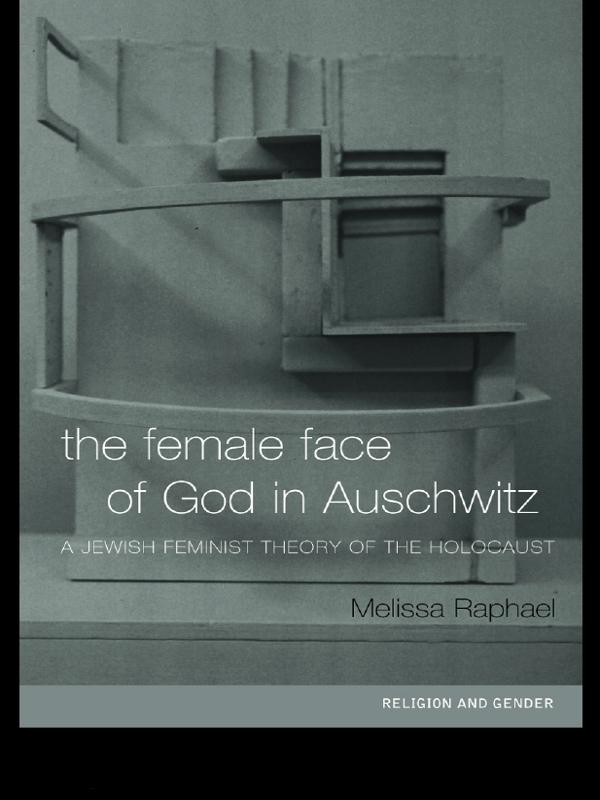
The dominant theme of post-Holocaust Jewish theology has been that of the temporary hiddenness of God, interpreted either as a divine mystery or, more commonly, as God's deferral to human freedom. But traditional Judaic obligations of female presence, together with the traditional image of the Shekhinah as a figure of God's 'femaleness' accompanying Israel into exile, seem to contradict such theologies of absence. The Female Face of God in Auschwitz, the first full-length feminist theology of the Holocaust, argues that the patriarchal bias of post-Holocaust theology becomes fully apparent only when women's experiences and priorities are brought into historical light. Building upon the published testimonies of four women imprisoned at Auschwitz-Birkenau - Olga Lengyel, Lucie Adelsberger, Bertha Ferderber-Salz and Sara Nomberg-Przytyk - it considers women's distinct experiences of the holy in relation to God's perceived presence and absence in the camps.
God's face, says Melissa Raphael, was not hidden in Auschwitz, but intimately revealed in the female face turned towards the other as a refractive image of God, especially in the moral protest made visible through material and spiritual care for the assaulted other.
Płać wygodnie kartą, Klarną, Apple Pay lub Google Pay. Nie jesteś zadowolony? Zawsze masz 14-dniową gwarancję zwrotu pieniędzy. Więcej przeczytasz w naszych warunkach. Masz pytania? Napisz do nas na hello@memmo.org.
Memmo ułatwia naukę – gdziekolwiek jesteś na świecie. U nas znajdziesz podręczniki i sprytne narzędzia do nauki w jednym miejscu: streszczenia, quizy, podcasty i fiszki. A do tego Ted, Twój kumpel do nauki, który odpowie na wszystko, co Cię nurtuje. Ponad 50 000 studentów już tu się uczy – stworzone, byś uczył się szybciej i mniej stresował.