
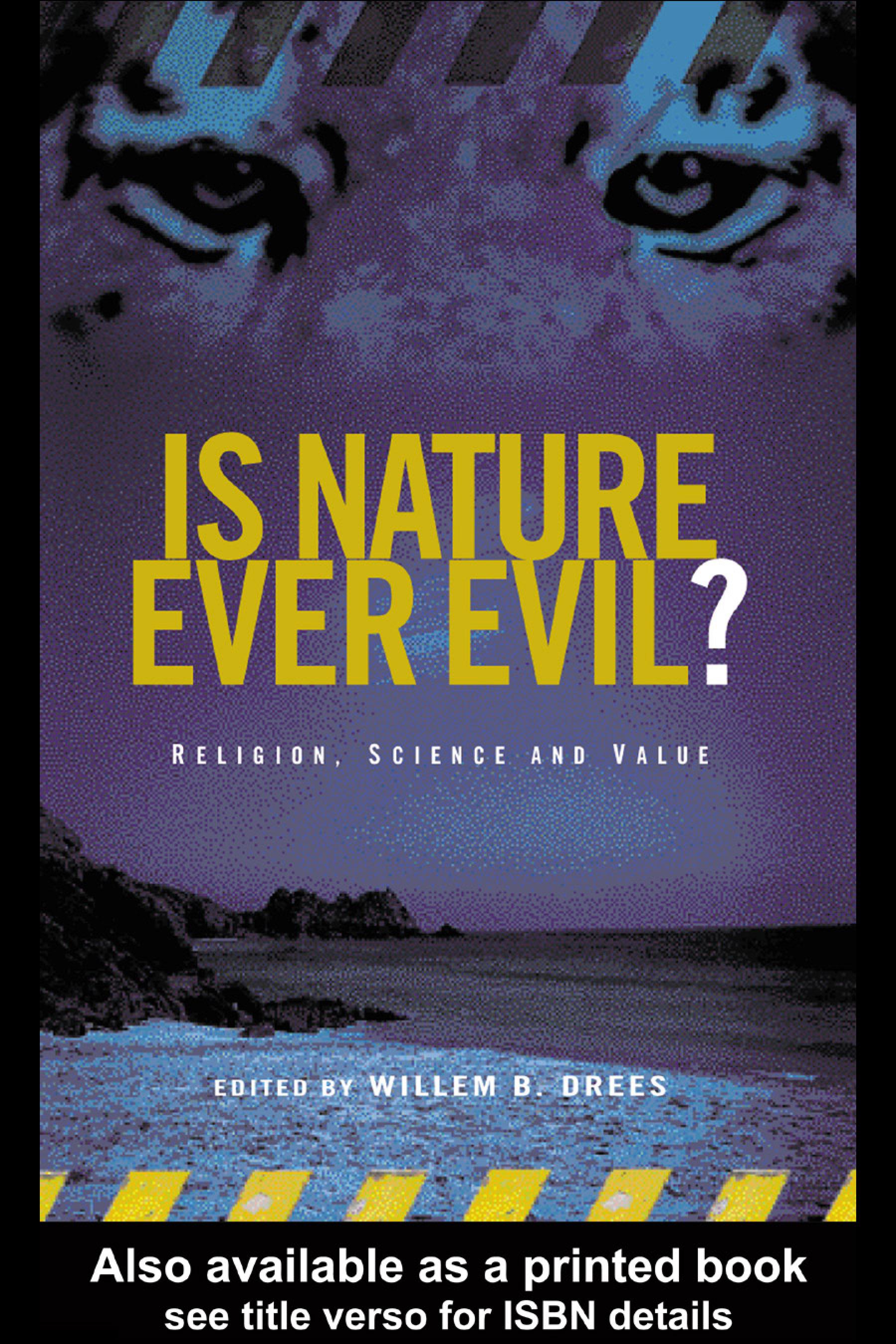
Can nature be evil, or ugly, or wrong? Can we apply moral value to nature?
From a compellingly original premise, under the auspices of major thinkers including Mary Midgley, Philip Hefner, Arnold Benz and Keith Ward, Is Nature Ever Evil? examines the value-structure of our cosmos and of the science that seeks to describe it. Science, says editor Willem B. Drees, claims to leave moral questions to aesthetic and religious theory. But the supposed neutrality of the scientific view masks a host of moral assumptions. How does an ethically transparent science arrive at concepts of a 'hostile' universe or a 'selfish' gene? How do botanists, zoologists, cosmologists and geologists respond to the beauty of the universe they study, reliant as it is upon catastrophe, savagery, power and extinction? Then there are various ways in which science seeks to alter and improve nature. What do prosthetics and gene technology, cyborgs and dairy cows say about our appreciation of nature itself? Surely science, in common with philosophy, magic and religion, can aid our understanding of evil in nature - whether as natural catasrophe, disease, predatory cruelty or mere cosmic indifference?
Focusing on the ethical evaluation of nature itself, Is Nature Ever Evil? re-ignites crucial questions of hope, responsibility, and possibility in nature.
Płać wygodnie kartą, Klarną, Apple Pay lub Google Pay. Nie jesteś zadowolony? Zawsze masz 14-dniową gwarancję zwrotu pieniędzy. Więcej przeczytasz w naszych warunkach. Masz pytania? Napisz do nas na hello@memmo.org.
Memmo ułatwia naukę – gdziekolwiek jesteś na świecie. U nas znajdziesz podręczniki i sprytne narzędzia do nauki w jednym miejscu: streszczenia, quizy, podcasty i fiszki. A do tego Ted, Twój kumpel do nauki, który odpowie na wszystko, co Cię nurtuje. Ponad 50 000 studentów już tu się uczy – stworzone, byś uczył się szybciej i mniej stresował.