
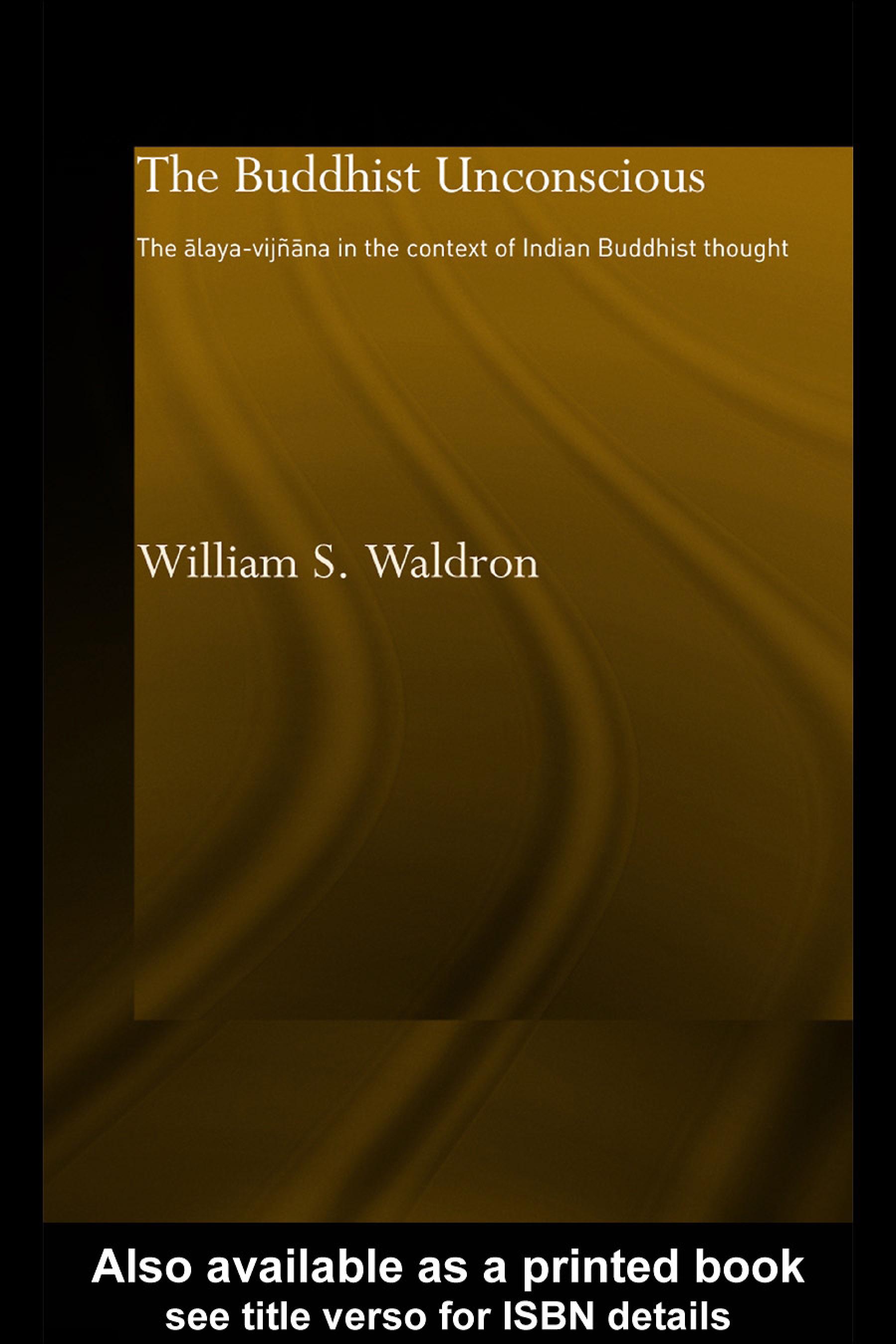
This is the story of fifth century CE India, when the Yogacarin Buddhists tested the awareness of unawareness, and became aware of human unawareness to an extraordinary degree. They not only explicitly differentiated this dimension of mental processes from conscious cognitive processes, but also offered reasoned arguments on behalf of this dimension of mind. This is the concept of the 'Buddhist unconscious', which arose just as philosophical discourse in other circles was fiercely debating the limits of conscious awareness, and these ideas in turn had developed as a systematisation of teachings from the Buddha himself. For us in the twenty-first century, these teachings connect in fascinating ways to the Western conceptions of the 'cognitive unconscious' which have been elaborated in the work of Jung and Freud.
This important study reveals how the Buddhist unconscious illuminates and draws out aspects of current western thinking on the unconscious mind. One of the most intriguing connections is the idea that there is in fact no substantial 'self' underlying all mental activity; 'the thoughts themselves are the thinker'. William S. Waldron considers the implications of this radical notion, which, despite only recently gaining plausibility, was in fact first posited 2,500 years ago.
Płać wygodnie kartą, Klarną, Apple Pay lub Google Pay. Nie jesteś zadowolony? Zawsze masz 14-dniową gwarancję zwrotu pieniędzy. Więcej przeczytasz w naszych warunkach. Masz pytania? Napisz do nas na hello@memmo.org.
Memmo ułatwia naukę – gdziekolwiek jesteś na świecie. U nas znajdziesz podręczniki i sprytne narzędzia do nauki w jednym miejscu: streszczenia, quizy, podcasty i fiszki. A do tego Ted, Twój kumpel do nauki, który odpowie na wszystko, co Cię nurtuje. Ponad 50 000 studentów już tu się uczy – stworzone, byś uczył się szybciej i mniej stresował.
Może Ci się spodobać
Kup książkę0