
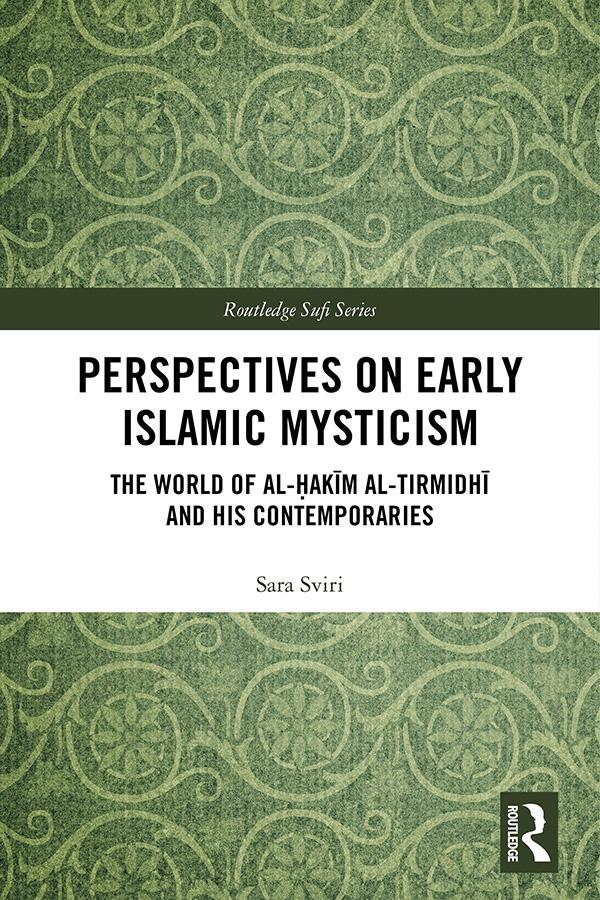
This monograph explores the original literary produce of Muslim mystics during the eighth–tenth centuries, with special attention to ninth-century mystics, such as al-Tustarī, al-Muḥāsibī, al-Kharrāz, al-Junayd and, in particular, al-Ḥakīm al-Tirmidhī. Unlike other studies dealing with the so-called ‘Formative Period’, this book focuses on the extant writings of early mystics rather than on the later Ṣūfī compilations.
These early mystics articulated what would become a hallmark of Islamic mysticism: a system built around the psychological tension between the self (nafs) and the heart (qalb) and how to overcome it. Through their writings, already at this early phase, the versatility, fluidity and maturity of Islamic mysticism become apparent. This exploration thus reveals that mysticism in Islam emerged earlier than customarily acknowledged, long before Islamic mysticism became generically known as Ṣūfism.
The central figure of this book is al-Ḥakīm al-Tirmidhī, whose teaching and inner world focus on themes such as polarity, the training of the self, the opening of the heart, the Friends of God (al-awliyāʾ), dreams and visions, divine language, mystical exegesis and more.
This book thus offers a fuller picture than hitherto presented of the versatility of themes, processes, images, practices, terminology and thought models during this early period. The volume will be a key resource for scholars and students interested in the study of religion, Ṣūfī studies, Late Antiquity and Medieval Islam.
Płać wygodnie kartą, Klarną, Apple Pay lub Google Pay. Nie jesteś zadowolony? Zawsze masz 14-dniową gwarancję zwrotu pieniędzy. Więcej przeczytasz w naszych warunkach. Masz pytania? Napisz do nas na hello@memmo.org.
Memmo ułatwia naukę – gdziekolwiek jesteś na świecie. U nas znajdziesz podręczniki i sprytne narzędzia do nauki w jednym miejscu: streszczenia, quizy, podcasty i fiszki. A do tego Ted, Twój kumpel do nauki, który odpowie na wszystko, co Cię nurtuje. Ponad 50 000 studentów już tu się uczy – stworzone, byś uczył się szybciej i mniej stresował.