
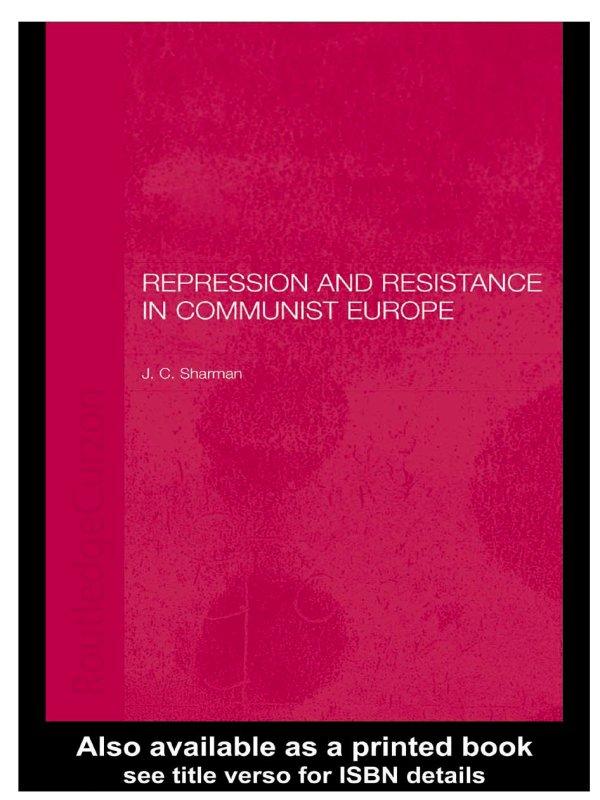
This book explores the role of coercion in the relationship between the citizens and regimes of communist Eastern Europe. Looking in detail at Soviet collectivisation in 1928-34, the Hungarian Uprising of 1956 and the Polish Solidarity Movement of 1980-84, it shows how the system excluded channels to enable popular grievances to be translated into collective opposition; how this lessened the amount of popular protest, affected the nature of such protest as did occur and entrenched the dominance of state over society.
Płać wygodnie kartą, Klarną, Apple Pay lub Google Pay. Nie jesteś zadowolony? Zawsze masz 14-dniową gwarancję zwrotu pieniędzy. Więcej przeczytasz w naszych warunkach. Masz pytania? Napisz do nas na hello@memmo.org.
Memmo ułatwia naukę – gdziekolwiek jesteś na świecie. U nas znajdziesz podręczniki i sprytne narzędzia do nauki w jednym miejscu: streszczenia, quizy, podcasty i fiszki. A do tego Ted, Twój kumpel do nauki, który odpowie na wszystko, co Cię nurtuje. Ponad 50 000 studentów już tu się uczy – stworzone, byś uczył się szybciej i mniej stresował.
Może Ci się spodobać
Kup książkę0