
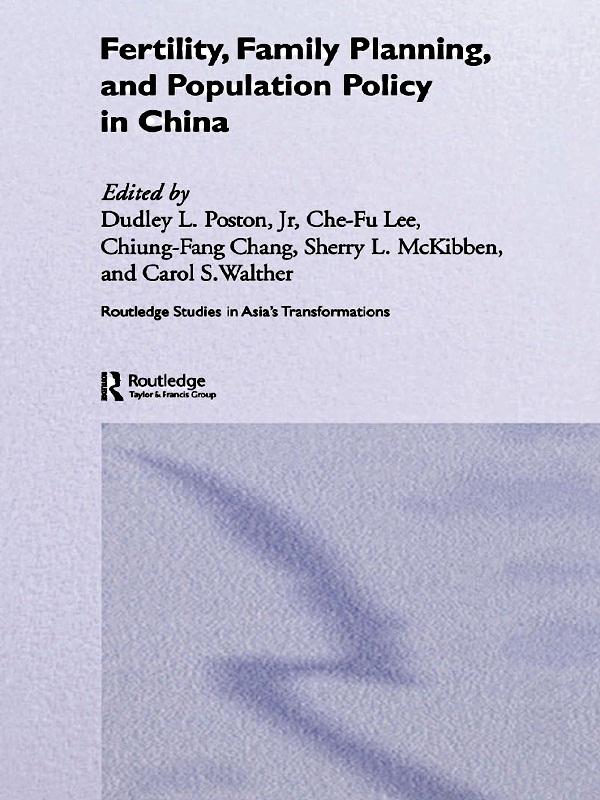
China's one-child population policy, first initiated in 1979, has had an enormous effect on the country’s development. By reducing its fertility in the past two decades to less than two children per woman, and developing a family planning program focused heavily on sterilization and abortion, China has undergone a significant transition in status to a demographically developed country.
Bringing together contributions from leading academics, this book looks at the impact of the government's strict control over planning and population growth on the family, the wider society and the country's demography. The contributors examine developments such as family planning policy and contraceptive use, biological and social determinants of fertility, patterns of family and marriage and China's future population trends. As such it will be essential reading for academics, researchers, policy makers and government officials with an interest in China’s population policy.
Płać wygodnie kartą, Klarną, Apple Pay lub Google Pay. Nie jesteś zadowolony? Zawsze masz 14-dniową gwarancję zwrotu pieniędzy. Więcej przeczytasz w naszych warunkach. Masz pytania? Napisz do nas na hello@memmo.org.
Memmo ułatwia naukę – gdziekolwiek jesteś na świecie. U nas znajdziesz podręczniki i sprytne narzędzia do nauki w jednym miejscu: streszczenia, quizy, podcasty i fiszki. A do tego Ted, Twój kumpel do nauki, który odpowie na wszystko, co Cię nurtuje. Ponad 50 000 studentów już tu się uczy – stworzone, byś uczył się szybciej i mniej stresował.