
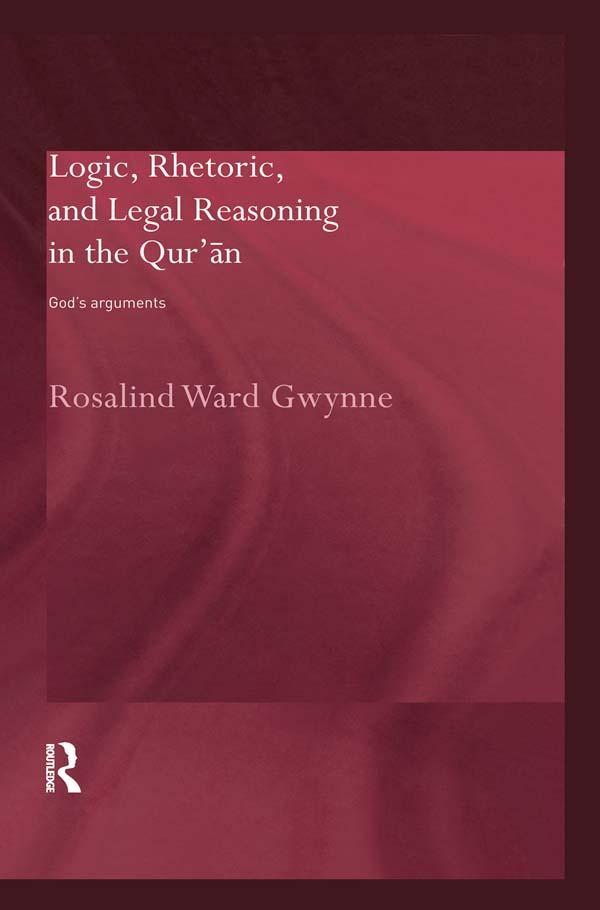
Muslims have always used verses from the Qur'an to support opinions on law, theology, or life in general, but almost no attention has been paid to how the Qur'an presents its own precepts as conclusions proceeding from reasoned arguments. Whether it is a question of God's powers of creation, the rationale for his acts, or how people are to think clearly about their lives and fates, Muslims have so internalized Qur'anic patterns of reasoning that many will assert that the Qur'an appeals first of all to the human powers of intellect. This book provides a new key to both the Qur'an and Islamic intellectual history. Examining Qur'anic argument by form and not content helps readers to discover the significance of passages often ignored by the scholar who compares texts and the believer who focuses upon commandments, as it allows scholars of Qur'anic exegesis, Islamic theology, philosophy, and law to tie their findings in yet another way to the text that Muslims consider the speech of God.
Strony: 270
Kategoria: Religion & Teologi
e-ISBN: 9781134344994
Waga przesyłki: 1.2 kg
Wysyłka w ciągu: 1-2 dni
Płać wygodnie kartą, Klarną, Apple Pay lub Google Pay. Nie jesteś zadowolony? Zawsze masz 14-dniową gwarancję zwrotu pieniędzy. Więcej przeczytasz w naszych warunkach. Masz pytania? Napisz do nas na hello@memmo.org.
Memmo ułatwia naukę – gdziekolwiek jesteś na świecie. U nas znajdziesz podręczniki i sprytne narzędzia do nauki w jednym miejscu: streszczenia, quizy, podcasty i fiszki. A do tego Ted, Twój kumpel do nauki, który odpowie na wszystko, co Cię nurtuje. Ponad 50 000 studentów już tu się uczy – stworzone, byś uczył się szybciej i mniej stresował.
Może Ci się spodobać
Kup książkę0