
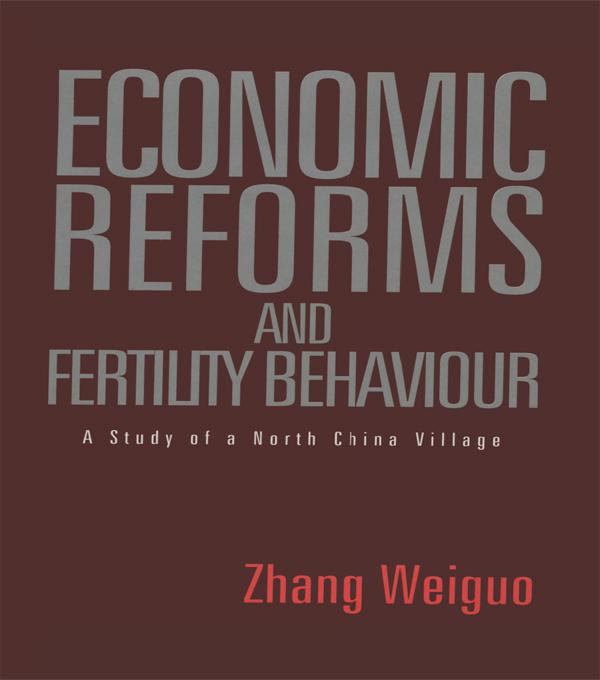
Based on an intensive fieldwork in a southern Hebei village in northern China (1992/3), the author takes an institutional approach and focuses on the way deliberate Chinese state policies driven by new economic and social agendas since the late 1970s have impacted on marriage, family relations and consequently on the way fertility trends have been adversely affected; the study is also very much concerned with the human dimension and the way in which such social and economic changes are perceived and applied in a rural community. The research presented in this study goes a long way to unravelling the puzzle concerning the reasons for a very rapid decline in Chinese fertility rates, contrasting sharply with a very different fertility transition within western cultures.
Płać wygodnie kartą, Klarną, Apple Pay lub Google Pay. Nie jesteś zadowolony? Zawsze masz 14-dniową gwarancję zwrotu pieniędzy. Więcej przeczytasz w naszych warunkach. Masz pytania? Napisz do nas na hello@memmo.org.
Memmo ułatwia naukę – gdziekolwiek jesteś na świecie. U nas znajdziesz podręczniki i sprytne narzędzia do nauki w jednym miejscu: streszczenia, quizy, podcasty i fiszki. A do tego Ted, Twój kumpel do nauki, który odpowie na wszystko, co Cię nurtuje. Ponad 50 000 studentów już tu się uczy – stworzone, byś uczył się szybciej i mniej stresował.
Może Ci się spodobać
Kup książkę0