
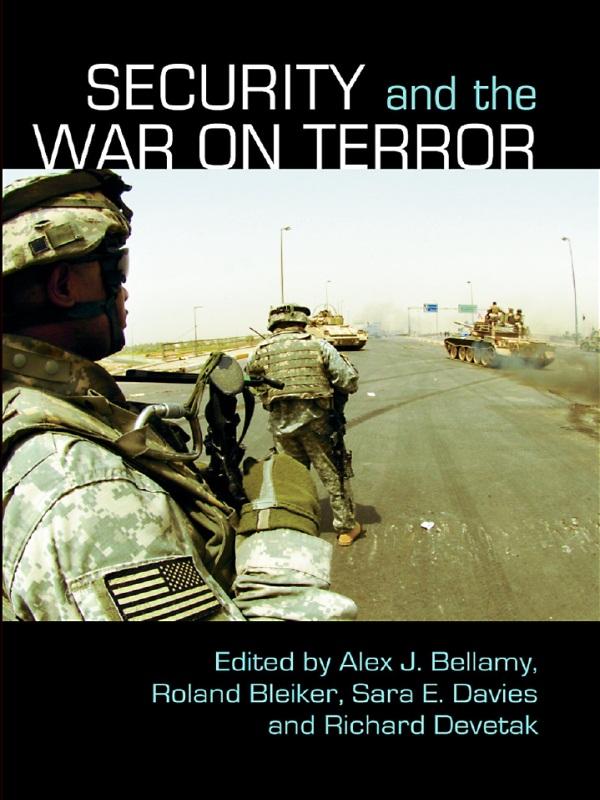
The terrorist attacks of 11 September 2001 marked a turning point in international politics, representing a new type of threat that could not easily be anticipated or prevented through state-based structures of security alone. Opening up interdisciplinary conversations between strategic, economic, ethical and legal approaches to global terrorism, this edited book recognises a fundamental issue: while major crises initially tend to reinforce old thinking and behavioural patterns, they also allow societies to challenge and overcome entrenched habits, thereby creating the foundations for a new and perhaps more peaceful future.
This volume addresses the issues that are at stake in this dual process of political closure, and therefore rethinks how states can respond to terrorist threats. The contributors range from leading conceptual theorists to policy-oriented analysts, from senior academics to junior researchers. The book explores how terrorism has had a profound impact on how security is being understood and implemented, and uses a range of hitherto neglected sources of insight, such as those between political, economic, legal and ethical factors, to examine the nature and meaning of security in a rapidly changing world.
Płać wygodnie kartą, Klarną, Apple Pay lub Google Pay. Nie jesteś zadowolony? Zawsze masz 14-dniową gwarancję zwrotu pieniędzy. Więcej przeczytasz w naszych warunkach. Masz pytania? Napisz do nas na hello@memmo.org.
Memmo ułatwia naukę – gdziekolwiek jesteś na świecie. U nas znajdziesz podręczniki i sprytne narzędzia do nauki w jednym miejscu: streszczenia, quizy, podcasty i fiszki. A do tego Ted, Twój kumpel do nauki, który odpowie na wszystko, co Cię nurtuje. Ponad 50 000 studentów już tu się uczy – stworzone, byś uczył się szybciej i mniej stresował.