
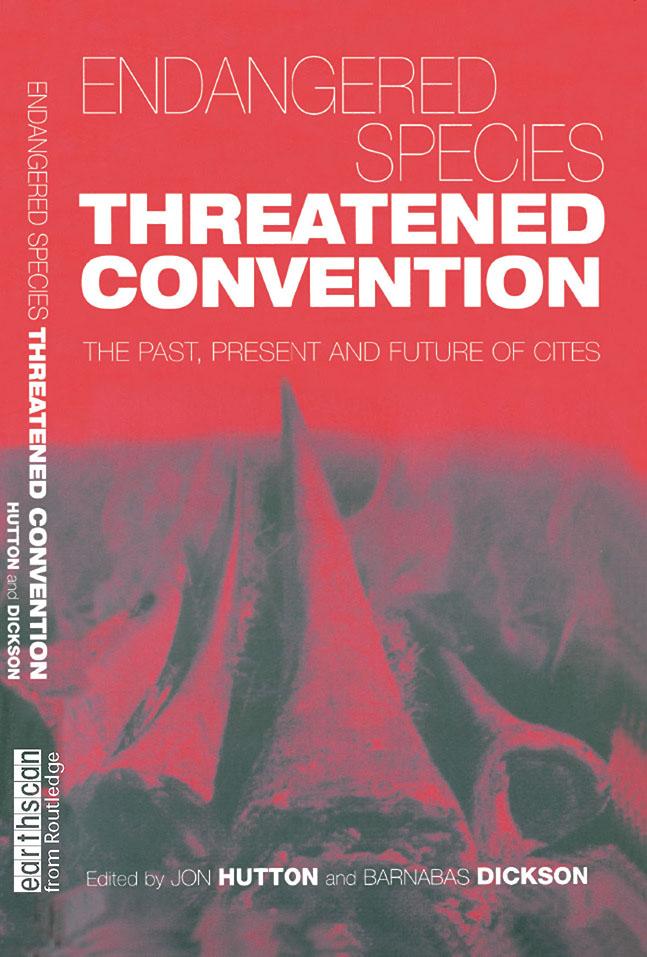
The Convention on International Trade in Endangered Species (CITES) is the best known and most controversial of international conservation treaties. Since it came into force 25 years ago, debate has raged over its most basic assumptions. CITES treats the international trade in wildlife as the most important threat to the continued existence of wild species. It offers a prescription of trade bans and restrictions for endangered species. However, it is now generally acknowledged that for most species habitat loss is a much more significant threat. Some argue that the CITES remedy actually exacerbates the problem by removing the incentive to conserve wildlife habitat.
This collection of essays, the first of its kind, charts the controversies and changes within CITES. It provides case studies of the way CITES has dealt with particular species and notes the growing role of the South in shaping the direction of the treaty. It considers the role of sustainable use, the precautionary principle and unilateralism within CITES. Finally, it examines options for the future of CITES. Implicit within a number of the contributions is the recognition that questions of wildlife conservation cannot be divorced from wider issues of land use, development and social justice.
This book provides an essential resource for policy makers, practitioners, academics and students concerned with conservation, development and trade.
Płać wygodnie kartą, Klarną, Apple Pay lub Google Pay. Nie jesteś zadowolony? Zawsze masz 14-dniową gwarancję zwrotu pieniędzy. Więcej przeczytasz w naszych warunkach. Masz pytania? Napisz do nas na hello@memmo.org.
Memmo ułatwia naukę – gdziekolwiek jesteś na świecie. U nas znajdziesz podręczniki i sprytne narzędzia do nauki w jednym miejscu: streszczenia, quizy, podcasty i fiszki. A do tego Ted, Twój kumpel do nauki, który odpowie na wszystko, co Cię nurtuje. Ponad 50 000 studentów już tu się uczy – stworzone, byś uczył się szybciej i mniej stresował.