
That success transformed the business of clearing. Governments and regulators around the world gave CCPs and the clearing services they provide a front-line role in protecting the global economy from future excesses of finance. CCPs, which mitigate risk in financial markets, responded by greatly expanding their activities, notably in markets for over-the-counter derivatives, and often in fierce competition with one another.
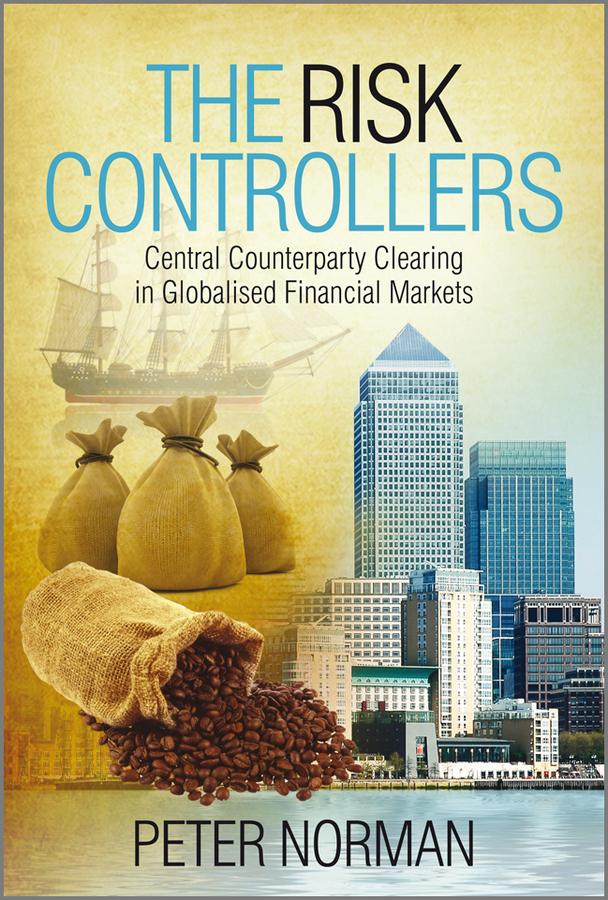
In The Risk Controllers, journalist and author Peter Norman describes how CCPs operate, how they handled the Lehman default, and the challenges they now face. Because central counterparty clearing is a complex business with a long history that continues to influence decisions and structures even in today’s fast changing world, The Risk Controllers explores the development of CCPs and clearing from the earliest times to the present.
It draws on the experiences of the people who helped to shape the business of clearing today. It sets the development of CCPs and clearing in the broader context of changes in society, politics and regulation. The book examines turning points, such as the 1987 stock market crash, that set clearing on a new path and the impact of long running trends, including the exponential growth of computer power and the ebb and flow of globalisation.
Written in non-technical language, The Risk Controllers provides a unique and accessible guide to CCPs and clearing. It is essential reading for clearing professionals, legislators and regulators whose job it is to take this vitally important business into the future.
“The recent crisis has, thankfully, renewed interest in the importance of central counterparties: how they can help preserve stability or, as Hong Kong showed in 1987, undermine stability if they are not super sound. Peter Norman’s book places the role of clearing houses in a historical context, and explains why the financial system’s plumbing matters so much. It should be read by anyone interested in building safer capital markets.”
Paul Tucker, Deputy Governor Financial Stability, Bank of England
Płać wygodnie kartą, Klarną, Apple Pay lub Google Pay. Nie jesteś zadowolony? Zawsze masz 14-dniową gwarancję zwrotu pieniędzy. Więcej przeczytasz w naszych warunkach. Masz pytania? Napisz do nas na hello@memmo.org.
Memmo ułatwia naukę – gdziekolwiek jesteś na świecie. U nas znajdziesz podręczniki i sprytne narzędzia do nauki w jednym miejscu: streszczenia, quizy, podcasty i fiszki. A do tego Ted, Twój kumpel do nauki, który odpowie na wszystko, co Cię nurtuje. Ponad 50 000 studentów już tu się uczy – stworzone, byś uczył się szybciej i mniej stresował.