
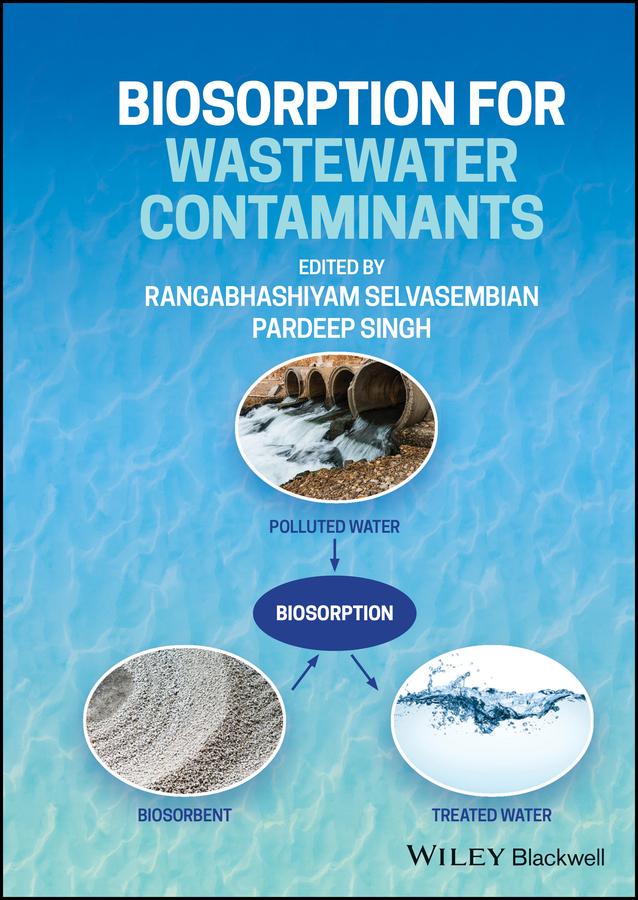
Pollution due to various anthropogenic activities continues to increase. In terms of water pollutants, organic and inorganic pollutants are the most problematic. Although several measures have been proposed and implemented to prevent or reduce contamination, their increased concentration in water bodies has created serious concerns. Over the years, the problem has been aggravated by industrialization, urbanization and the exploitation of natural resources. The direct discharge of wastewater contaminants and their geographical mobilization have caused an increase in concentration in ground, surface, fluvial and residual waters. Extensive information about detection and disposal methods is needed in order to develop technological solutions for a variety of environments, both urban and rural.
This book provides up-to-date information on wastewater contaminants, aimed at researchers, engineers and technologists working in this field. Conventional physicochemical techniques used to remove contaminants from wastewater include ion exchange, precipitation, degradation, coagulation, coating, membrane processes and adsorption. However, these applications have technological and economic limitations, and involve the release of large amounts of chemical reagents and by-products that are themselves difficult to remove. Biosorption - the use of organically generated material as an adsorbent – is attracting new research and scholarship. Thermally-treated calcined biomaterials may be treated to remove heavy metals from wastewater. To ensure the elimination of these contaminants, existing solutions must be integrated with intelligent biosorption functions.
Biosorption for Wastewater Contaminants will find an appreciative audience among academics and postgraduates working in the fields of environmental biotechnology, environmental engineering, wastewater treatment technology and environmental chemistry.
Płać wygodnie kartą, Klarną, Apple Pay lub Google Pay. Nie jesteś zadowolony? Zawsze masz 14-dniową gwarancję zwrotu pieniędzy. Więcej przeczytasz w naszych warunkach. Masz pytania? Napisz do nas na hello@memmo.org.
Memmo ułatwia naukę – gdziekolwiek jesteś na świecie. U nas znajdziesz podręczniki i sprytne narzędzia do nauki w jednym miejscu: streszczenia, quizy, podcasty i fiszki. A do tego Ted, Twój kumpel do nauki, który odpowie na wszystko, co Cię nurtuje. Ponad 50 000 studentów już tu się uczy – stworzone, byś uczył się szybciej i mniej stresował.