
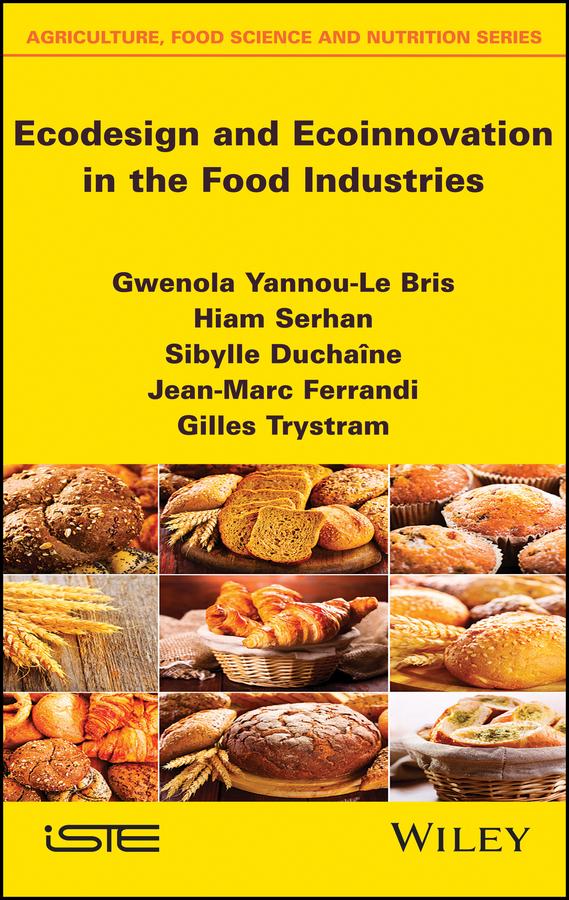
Innovations of agri-food systems during the last 50 years have been guided by a globalized agro-industrial paradigm, which has contributed to climate change, degradation of natural resources, soil depletion, social inequalities, loss of biodiversity and various food-related health problems. Despite the increasing emphasis of food policies and research to address these issues with ecologically sustainable innovations, there are still no studies that explain how to utilize and integrate ecodesign practices in food products development in a world of finite resources. This book explains how to employ ecodesign in business models to address the economic, social, environmental, and nutritional problems that face the world�s food systems. The lessons of the ÉcoTrophélia project ? a unique program implemented by a group of European agricultural higher education institutions to involve students in designing and developing food ecoinnovation projects ? are explored. Through an analysis of these projects, the authors describe the tools, methods and standards that were developed to institute ecodesign into the business models of 11 ecologically-friendly food products. This book provides operational good practices that can be implemented in educational programs and agri-food industries, to orient learning and practices towards greater sustainability.
Strony: 320
Kategoria: Miljövetenskap & Klimat
e-ISBN: 9781119687368
Waga przesyłki: 1.2 kg
Wysyłka w ciągu: 1-2 dni
Płać wygodnie kartą, Klarną, Apple Pay lub Google Pay. Nie jesteś zadowolony? Zawsze masz 14-dniową gwarancję zwrotu pieniędzy. Więcej przeczytasz w naszych warunkach. Masz pytania? Napisz do nas na hello@memmo.org.
Memmo ułatwia naukę – gdziekolwiek jesteś na świecie. U nas znajdziesz podręczniki i sprytne narzędzia do nauki w jednym miejscu: streszczenia, quizy, podcasty i fiszki. A do tego Ted, Twój kumpel do nauki, który odpowie na wszystko, co Cię nurtuje. Ponad 50 000 studentów już tu się uczy – stworzone, byś uczył się szybciej i mniej stresował.