
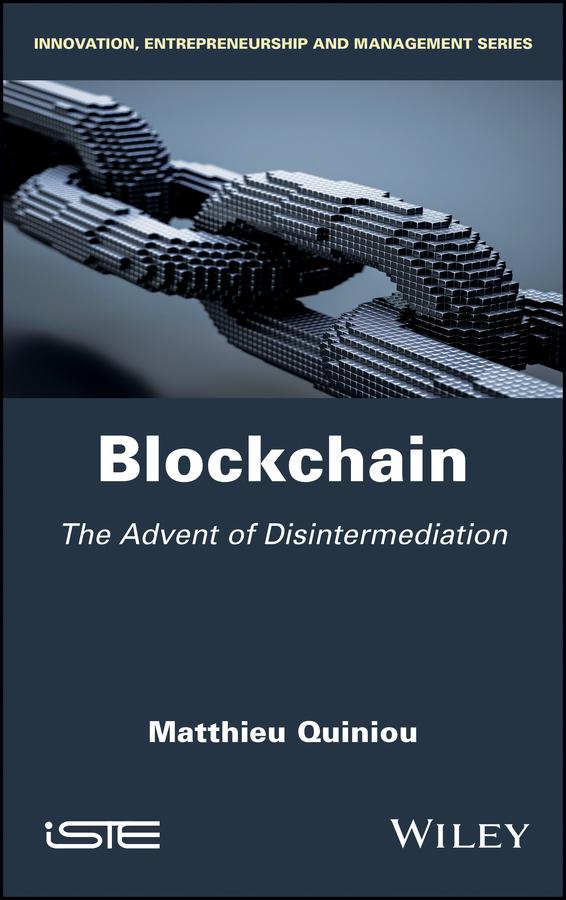
The dominance of trusted intermediaries could be weakened by blockchain, a distributed ledger technology, one of the functions of which is to constitute timestamped proofs by replacing inter-individual trust with algorithmic trust.
Blockchain self-executing smart contracts allow us to rethink the practice in the domain of e-commerce, interbank communication, fundraising (and ICOs), justice (timestamping evidence, acts authenticated by blockchain) and businesses in numerous sectors (entertainment, AI, health, real estate, tourism, transport, etc.) which attempt to propose new services by benefiting from blockchains.
This book aims to put into perspective the technical innovations and the uses brought about by blockchain, by identifying that which has a medium- or long-term impact, all while taking into account the social, economic, judicial and administrative resistances that are likely to develop.
Płać wygodnie kartą, Klarną, Apple Pay lub Google Pay. Nie jesteś zadowolony? Zawsze masz 14-dniową gwarancję zwrotu pieniędzy. Więcej przeczytasz w naszych warunkach. Masz pytania? Napisz do nas na hello@memmo.org.
Memmo ułatwia naukę – gdziekolwiek jesteś na świecie. U nas znajdziesz podręczniki i sprytne narzędzia do nauki w jednym miejscu: streszczenia, quizy, podcasty i fiszki. A do tego Ted, Twój kumpel do nauki, który odpowie na wszystko, co Cię nurtuje. Ponad 50 000 studentów już tu się uczy – stworzone, byś uczył się szybciej i mniej stresował.