
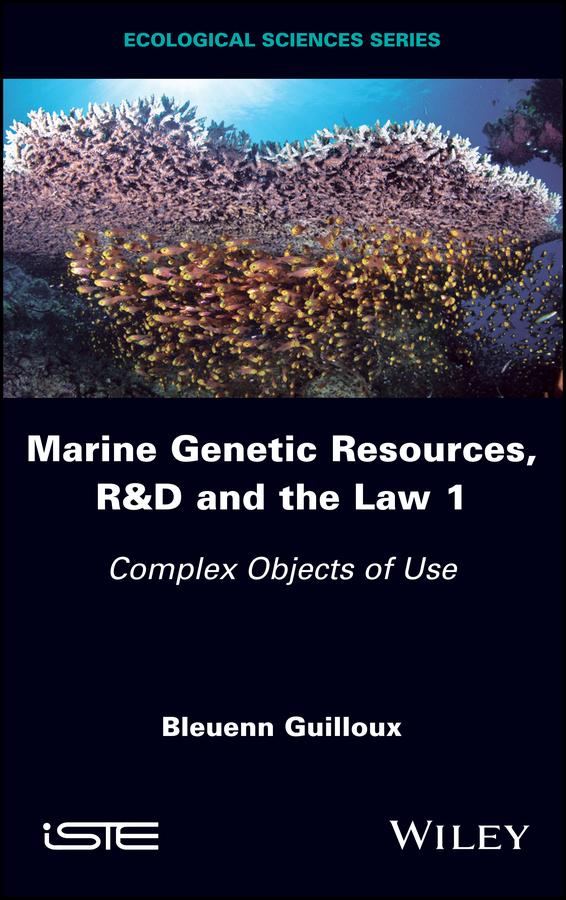
Advances in research and development reveal the immense diversity and potential of marine genetic resources. Under international law, no specific regime applies to these complex and paradoxical objects of use. The Law of the Sea Convention sets a framework that is partly inadequate for this new category of resources. The Biodiversity Convention and the Nagoya Protocol only address the genetic resources of national areas. Patents allow their holder to exercise a monopoly on exploiting biotechnological creations to extensive claims, questioning the common nature of biodiversity and related knowledge. They hinder research and the objectives of biodiversity law. The legal and practical rules of physical and functional access vary in geometry. They focus on the valorization of research results, crystallizing conflicts of interest between suppliers and users. Sustainable research and development is essential to the knowledge and protection of marine biodiversity. The qualification of marine genetic resources in common, standard contractual tools, distributed research and development infrastructures, negotiation of an agreement on sustainable use and conservation of biodiversity beyond the limits of national jurisdiction, would To remove these inconsistencies.
Płać wygodnie kartą, Klarną, Apple Pay lub Google Pay. Nie jesteś zadowolony? Zawsze masz 14-dniową gwarancję zwrotu pieniędzy. Więcej przeczytasz w naszych warunkach. Masz pytania? Napisz do nas na hello@memmo.org.
Memmo ułatwia naukę – gdziekolwiek jesteś na świecie. U nas znajdziesz podręczniki i sprytne narzędzia do nauki w jednym miejscu: streszczenia, quizy, podcasty i fiszki. A do tego Ted, Twój kumpel do nauki, który odpowie na wszystko, co Cię nurtuje. Ponad 50 000 studentów już tu się uczy – stworzone, byś uczył się szybciej i mniej stresował.