
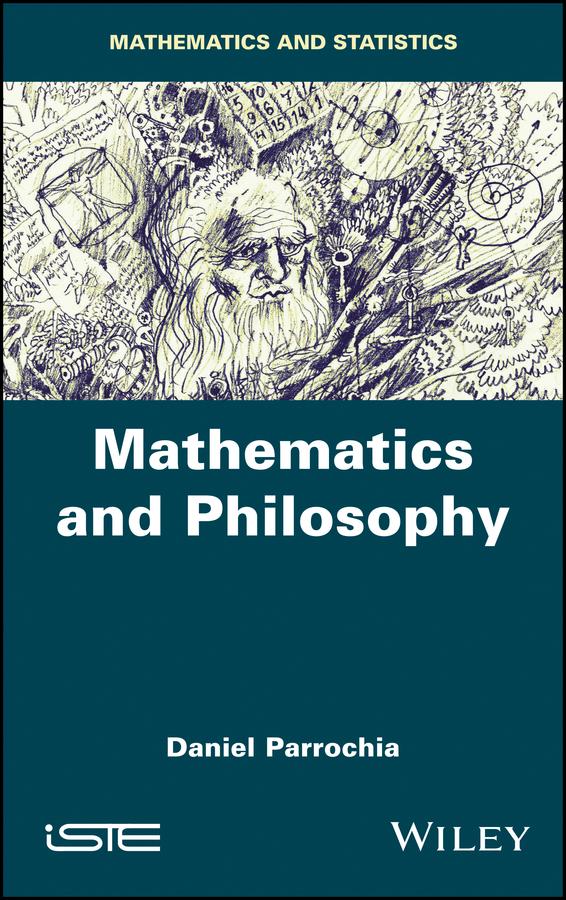
This book, which studies the links between mathematics and philosophy, highlights a reversal. Initially, the (Greek) philosophers were also mathematicians (geometers). Their vision of the world stemmed from their research in this field (rational and irrational numbers, problem of duplicating the cube, trisection of the angle...). Subsequently, mathematicians freed themselves from philosophy (with Analysis, differential Calculus, Algebra, Topology, etc.), but their researches continued to inspire philosophers (Descartes, Leibniz, Hegel, Husserl, etc.). However, from a certain level of complexity, the mathematicians themselves became philosophers (a movement that begins with Wronsky and Clifford, and continues until Grothendieck).
Płać wygodnie kartą, Klarną, Apple Pay lub Google Pay. Nie jesteś zadowolony? Zawsze masz 14-dniową gwarancję zwrotu pieniędzy. Więcej przeczytasz w naszych warunkach. Masz pytania? Napisz do nas na hello@memmo.org.
Memmo ułatwia naukę – gdziekolwiek jesteś na świecie. U nas znajdziesz podręczniki i sprytne narzędzia do nauki w jednym miejscu: streszczenia, quizy, podcasty i fiszki. A do tego Ted, Twój kumpel do nauki, który odpowie na wszystko, co Cię nurtuje. Ponad 50 000 studentów już tu się uczy – stworzone, byś uczył się szybciej i mniej stresował.