
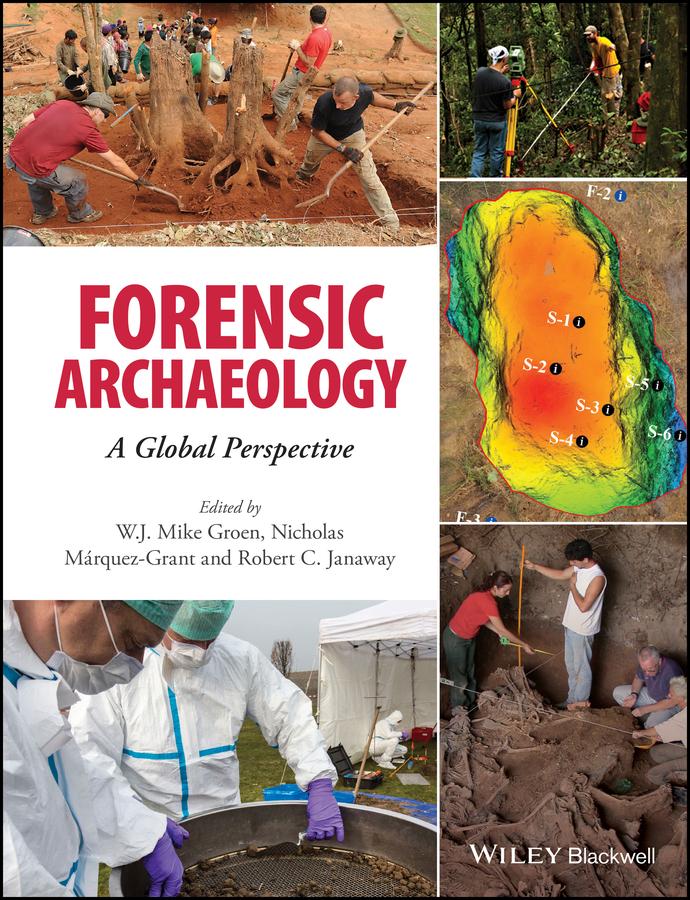
Forensic archaeology is mostly defined as the use of archaeological methods and principles within a legal context. However, such a definition only covers one aspect of forensic archaeology and misses the full potential this discipline has to offer. This volume is unique in that it contains 57 chapters from experienced forensic archaeological practitioners working in different countries, intergovernmental organisations or NGO’s. It shows that the practice of forensic archaeology varies worldwide as a result of diverse historical, educational, legal and judicial backgrounds. The chapters in this volume will be an invaluable reference to (forensic) archaeologists, forensic anthropologists, humanitarian and human rights workers, forensic scientists, police officers, professionals working in criminal justice systems and all other individuals who are interested in the potential forensic archaeology has to offer at scenes of crime or places of incident. This volume promotes the development of forensic archaeology worldwide. In addition, it proposes an interpretative framework that is grounded in archaeological theory and methodology, integrating affiliated behavioural and forensic sciences.
Płać wygodnie kartą, Klarną, Apple Pay lub Google Pay. Nie jesteś zadowolony? Zawsze masz 14-dniową gwarancję zwrotu pieniędzy. Więcej przeczytasz w naszych warunkach. Masz pytania? Napisz do nas na hello@memmo.org.
Memmo ułatwia naukę – gdziekolwiek jesteś na świecie. U nas znajdziesz podręczniki i sprytne narzędzia do nauki w jednym miejscu: streszczenia, quizy, podcasty i fiszki. A do tego Ted, Twój kumpel do nauki, który odpowie na wszystko, co Cię nurtuje. Ponad 50 000 studentów już tu się uczy – stworzone, byś uczył się szybciej i mniej stresował.