
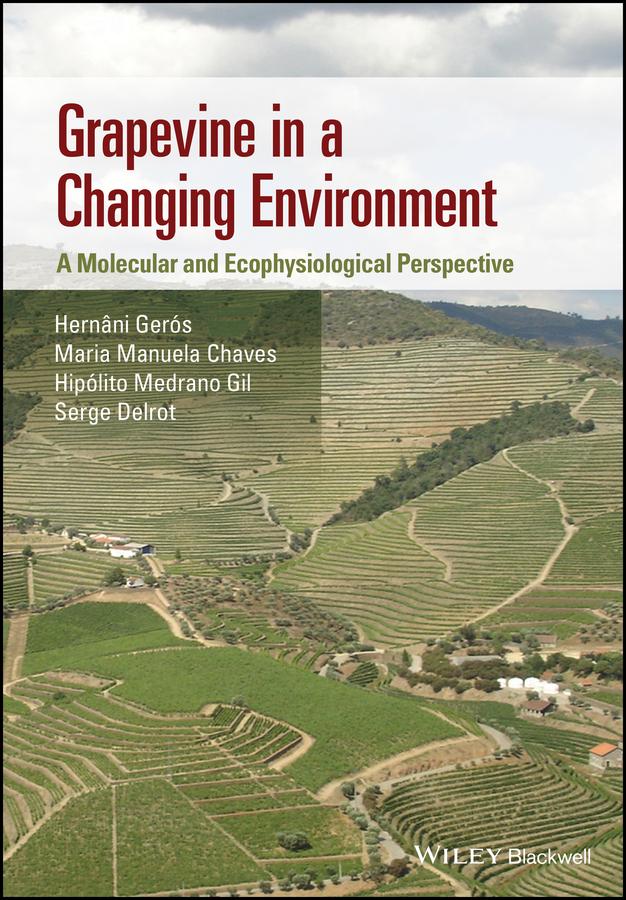
Grapes (Vitis spp.) are economically the most important fruit species in the world. Over the last decades many scientific advances have led to understand more deeply key physiological, biochemical, and molecular aspects of grape berry maturation. However, our knowledge on how grapevines respond to environmental stimuli and deal with biotic and abiotic stresses is still fragmented. Thus, this area of research is wide open for new scientific and technological advancements. Particularly, in the context of climate change, viticulture will have to adapt to higher temperatures, light intensity and atmospheric CO2 concentration, while water availability is expected to decrease in many viticultural regions, which poses new challenges to scientists and producers.
With Grapevine in a Changing Environment, readers will benefit from a comprehensive and updated coverage on the intricate grapevine defense mechanisms against biotic and abiotic stress and on the new generation techniques that may be ultimately used to implement appropriate strategies aimed at the production and selection of more adapted genotypes. The book also provides valuable references in this research area and original data from several laboratories worldwide.
Written by 63 international experts on grapevine ecophysiology, biochemistry and molecular biology, the book is a reference for a wide audience with different backgrounds, from plant physiologists, biochemists and graduate and post-graduate students, to viticulturists and enologists.
Płać wygodnie kartą, Klarną, Apple Pay lub Google Pay. Nie jesteś zadowolony? Zawsze masz 14-dniową gwarancję zwrotu pieniędzy. Więcej przeczytasz w naszych warunkach. Masz pytania? Napisz do nas na hello@memmo.org.
Memmo ułatwia naukę – gdziekolwiek jesteś na świecie. U nas znajdziesz podręczniki i sprytne narzędzia do nauki w jednym miejscu: streszczenia, quizy, podcasty i fiszki. A do tego Ted, Twój kumpel do nauki, który odpowie na wszystko, co Cię nurtuje. Ponad 50 000 studentów już tu się uczy – stworzone, byś uczył się szybciej i mniej stresował.