
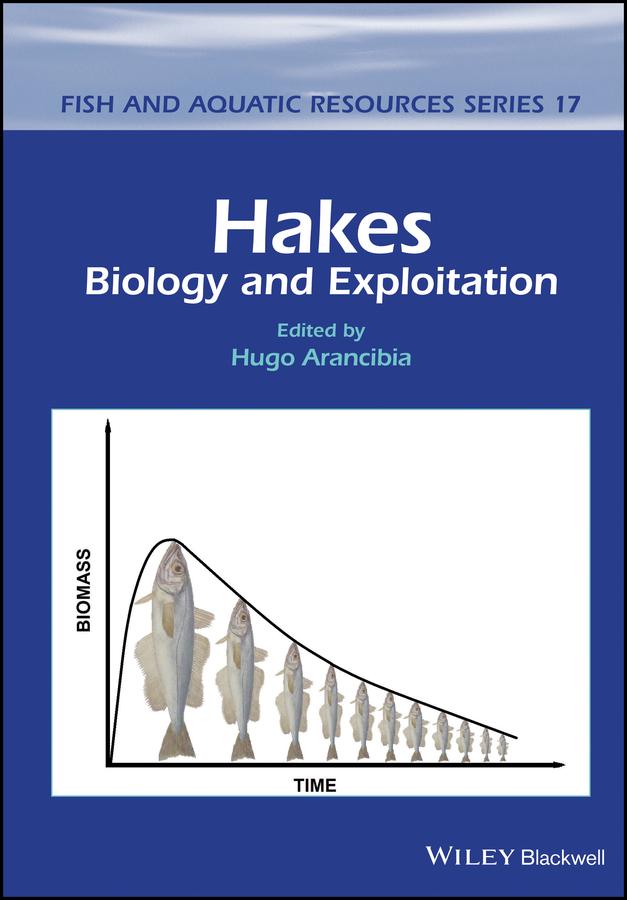
The species of hake, making up the genus Merluccius, are commercially important and currently largely over exploited, with many stocks badly depleted and showing only limited signs of recovery.
From the end of the 1990s, concepts such as sustainability, ecosystem-based approaches to fisheries management, a code for the responsible conduct for fisheries, governance and others have emerged or have been considered by politicians, stakeholders and society. Moreover, new tools for stock assessment have been developed. But many hake stocks of the genus Merluccius show no sign of restoration.
Hakes: Biology and Exploitation brings together a wealth of important information on the biology and exploitation of hake and hoki stocks around the world. Each chapter provides an overview of the fisheries of each species in an ecological and environmental context, looking at stock distribution, characteristics of the environment, life history, reproduction, diet, growth, mortality, pricing and markets of each geographical region and the hake species found there.
With chapters written by regional experts on hake species and included within Wiley-Blackwell’s prestigious Fish and Aquatic Resources Series, Hakes: Biology and Exploitation provides up-to-date and comparative information, including new approaches to fisheries management, for all those involved in fisheries management, aquatic ecology and biological sciences.
Płać wygodnie kartą, Klarną, Apple Pay lub Google Pay. Nie jesteś zadowolony? Zawsze masz 14-dniową gwarancję zwrotu pieniędzy. Więcej przeczytasz w naszych warunkach. Masz pytania? Napisz do nas na hello@memmo.org.
Memmo ułatwia naukę – gdziekolwiek jesteś na świecie. U nas znajdziesz podręczniki i sprytne narzędzia do nauki w jednym miejscu: streszczenia, quizy, podcasty i fiszki. A do tego Ted, Twój kumpel do nauki, który odpowie na wszystko, co Cię nurtuje. Ponad 50 000 studentów już tu się uczy – stworzone, byś uczył się szybciej i mniej stresował.