
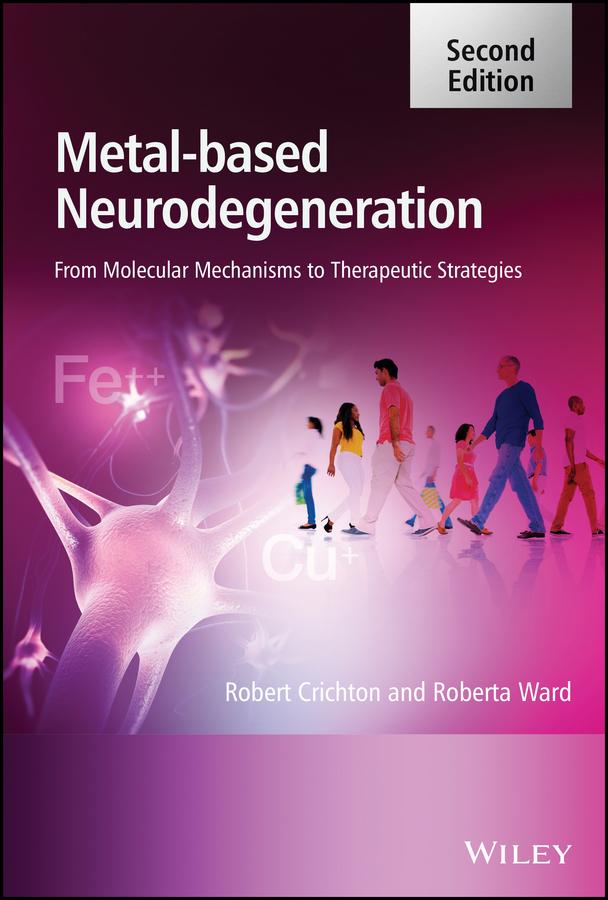
Neurodegenerative diseases of the human brain appear in various forms, resulting in disorders of movement and coordination, cognitive deterioration and psychiatric disturbances. Many of the key factors leading to neurodegenerative diseases are similar, including the dysfunction of metal ion homeostasis, redox-active metal ions generating oxidative stress, and intracellular inclusion bodies.
Metal-based Neurodegeneration presents a detailed survey of the molecular origins of neurodegenerative diseases. Each chapter is dedicated to a specific disease, presenting the latest scientific findings, including details of their biochemical actors (proteins or peptides), their normal and pathological conformations, and a description of the diseases characteristics, with an emphasis on the role of metal-induced oxidative stress, which can result in the production of intracellular aggregates of target proteins and peptides.
Topics covered include:
- Brain function, physiology and the blood-brain barrier
- Immune system and neuroinflammation
- Aging and mild cognitive impairment, MCI
- Parkinson’s Disease
- Alzheimer’s Disease
- Creutzfelt-Jakob and related prion diseases
- Alcoholic Brain Damage
- Therapeutic strategies to combat the onset and progression of neurological diseases
This extensively updated, full colour, second edition of Metal-based Neurodegeneration is an essential text for research scientists and clinicians working in gerontology, neuropathology, neurochemistry, and metalloprotein mechanisms.
Płać wygodnie kartą, Klarną, Apple Pay lub Google Pay. Nie jesteś zadowolony? Zawsze masz 14-dniową gwarancję zwrotu pieniędzy. Więcej przeczytasz w naszych warunkach. Masz pytania? Napisz do nas na hello@memmo.org.
Memmo ułatwia naukę – gdziekolwiek jesteś na świecie. U nas znajdziesz podręczniki i sprytne narzędzia do nauki w jednym miejscu: streszczenia, quizy, podcasty i fiszki. A do tego Ted, Twój kumpel do nauki, który odpowie na wszystko, co Cię nurtuje. Ponad 50 000 studentów już tu się uczy – stworzone, byś uczył się szybciej i mniej stresował.