
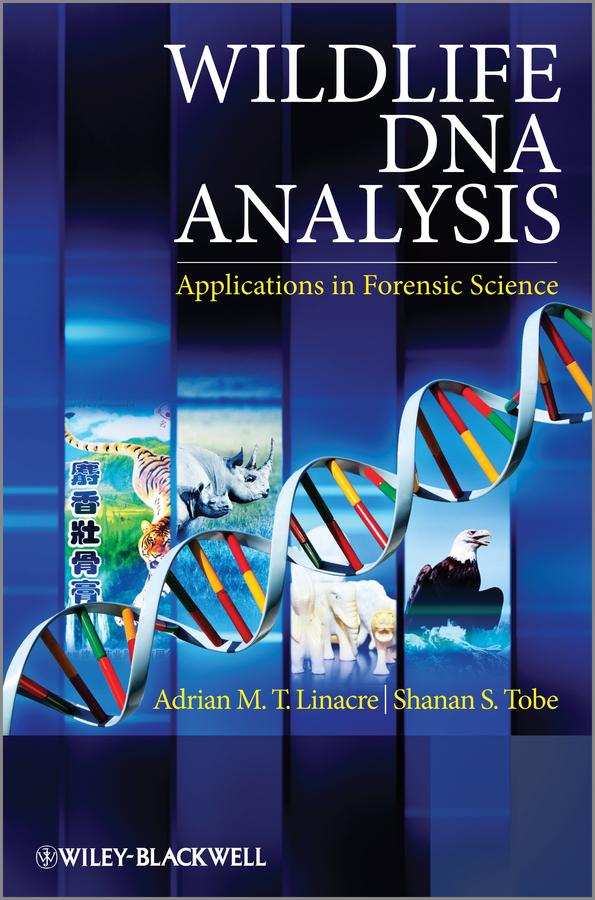
Clearly structured throughout, the introduction highlights the different types of crime where these techniques are regularly used. This chapter includes a discussion as to who performs forensic wildlife examinations, the standardisation and validation of methods, and the role of the expert witness in this type of alleged crime. This is followed by a detailed section on the science behind DNA typing including the problems in isolating DNA from trace material and subsequent genetic analysis are also covered. The book then undertakes a comprehensive review of species testing using DNA, including a step-by-step guide to sequence comparisons. A comparison of the different markers used in species testing highlights the criteria for a genetic marker. A full set of case histories illustrates the use of the different markers used. The book details the use of genetic markers to link two or more hairs/feather/leaves/needles to the same individual organism and the software used in population assignment. The problems and possibilities in isolating markers, along with the construction of allele databases are discussed in this chapter. The book concludes with evaluation and reporting of genetic evidence in wildlife forensic science illustrated by examples of witness statements.
Płać wygodnie kartą, Klarną, Apple Pay lub Google Pay. Nie jesteś zadowolony? Zawsze masz 14-dniową gwarancję zwrotu pieniędzy. Więcej przeczytasz w naszych warunkach. Masz pytania? Napisz do nas na hello@memmo.org.
Memmo ułatwia naukę – gdziekolwiek jesteś na świecie. U nas znajdziesz podręczniki i sprytne narzędzia do nauki w jednym miejscu: streszczenia, quizy, podcasty i fiszki. A do tego Ted, Twój kumpel do nauki, który odpowie na wszystko, co Cię nurtuje. Ponad 50 000 studentów już tu się uczy – stworzone, byś uczył się szybciej i mniej stresował.