
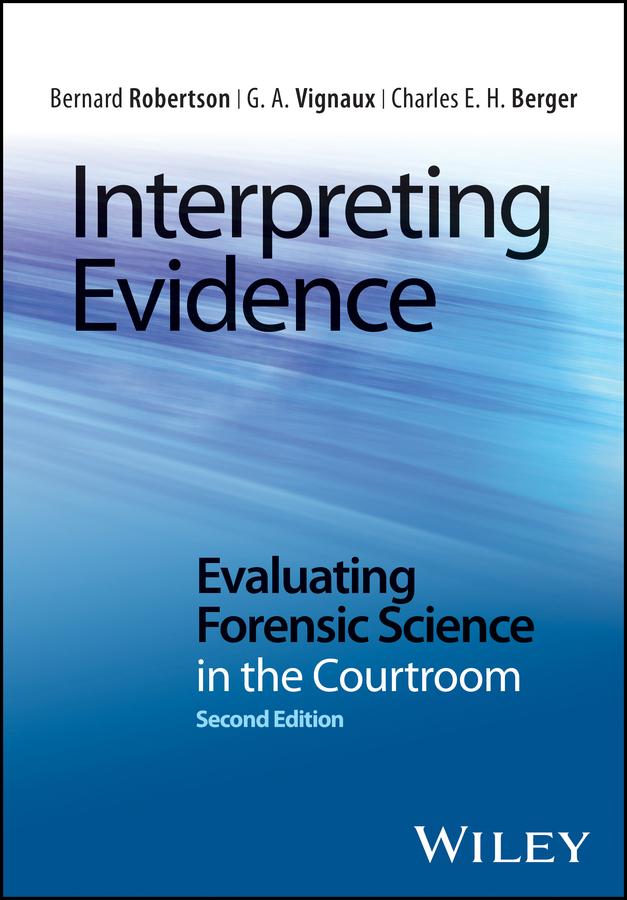
This book explains the correct logical approach to analysis of forensic scientific evidence. The focus is on general methods of analysis applicable to all forms of evidence. It starts by explaining the general principles and then applies them to issues in DNA and other important forms of scientific evidence as examples. Like the first edition, the book analyses real legal cases and judgments rather than hypothetical examples and shows how the problems perceived in those cases would have been solved by a correct logical approach. The book is written to be understood both by forensic scientists preparing their evidence and by lawyers and judges who have to deal with it. The analysis is tied back both to basic scientific principles and to the principles of the law of evidence. This book will also be essential reading for law students taking evidence or forensic science papers and science students studying the application of their scientific specialisation to forensic questions.
Płać wygodnie kartą, Klarną, Apple Pay lub Google Pay. Nie jesteś zadowolony? Zawsze masz 14-dniową gwarancję zwrotu pieniędzy. Więcej przeczytasz w naszych warunkach. Masz pytania? Napisz do nas na hello@memmo.org.
Memmo ułatwia naukę – gdziekolwiek jesteś na świecie. U nas znajdziesz podręczniki i sprytne narzędzia do nauki w jednym miejscu: streszczenia, quizy, podcasty i fiszki. A do tego Ted, Twój kumpel do nauki, który odpowie na wszystko, co Cię nurtuje. Ponad 50 000 studentów już tu się uczy – stworzone, byś uczył się szybciej i mniej stresował.