
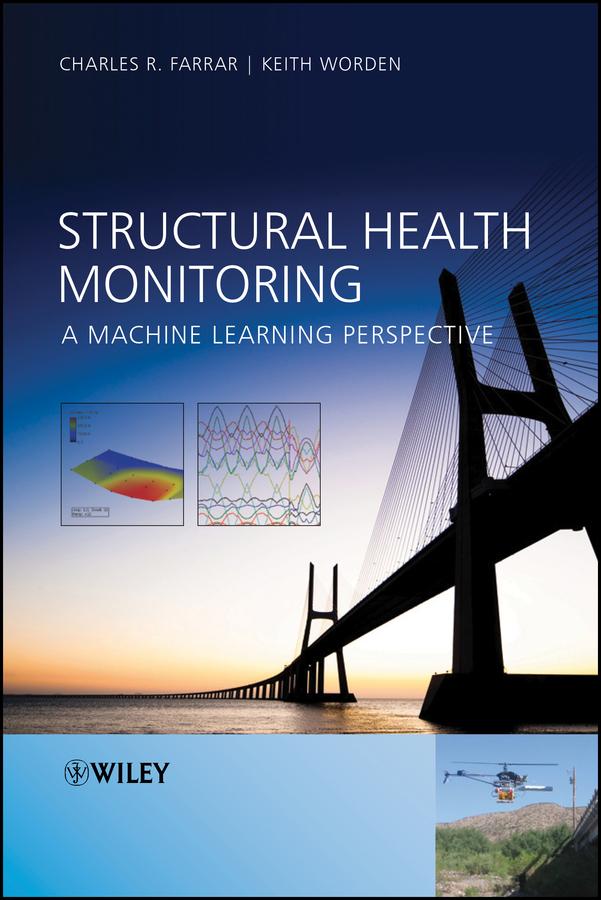
Structural Health Monitoring: A Machine Learning Perspective is the first comprehensive book on the general problem of structural health monitoring. The authors, renowned experts in the field, consider structural health monitoring in a new manner by casting the problem in the context of a machine learning/statistical pattern recognition paradigm, first explaining the paradigm in general terms then explaining the process in detail with further insight provided via numerical and experimental studies of laboratory test specimens and in-situ structures. This paradigm provides a comprehensive framework for developing SHM solutions.
Structural Health Monitoring: A Machine Learning Perspective makes extensive use of the authors’ detailed surveys of the technical literature, the experience they have gained from teaching numerous courses on this subject, and the results of performing numerous analytical and experimental structural health monitoring studies.
- Considers structural health monitoring in a new manner by casting the problem in the context of a machine learning/statistical pattern recognition paradigm
- Emphasises an integrated approach to the development of structural health monitoring solutions by coupling the measurement hardware portion of the problem directly with the data interrogation algorithms
- Benefits from extensive use of the authors’ detailed surveys of 800 papers in the technical literature and the experience they have gained from teaching numerous short courses on this subject.
Płać wygodnie kartą, Klarną, Apple Pay lub Google Pay. Nie jesteś zadowolony? Zawsze masz 14-dniową gwarancję zwrotu pieniędzy. Więcej przeczytasz w naszych warunkach. Masz pytania? Napisz do nas na hello@memmo.org.
Memmo ułatwia naukę – gdziekolwiek jesteś na świecie. U nas znajdziesz podręczniki i sprytne narzędzia do nauki w jednym miejscu: streszczenia, quizy, podcasty i fiszki. A do tego Ted, Twój kumpel do nauki, który odpowie na wszystko, co Cię nurtuje. Ponad 50 000 studentów już tu się uczy – stworzone, byś uczył się szybciej i mniej stresował.