
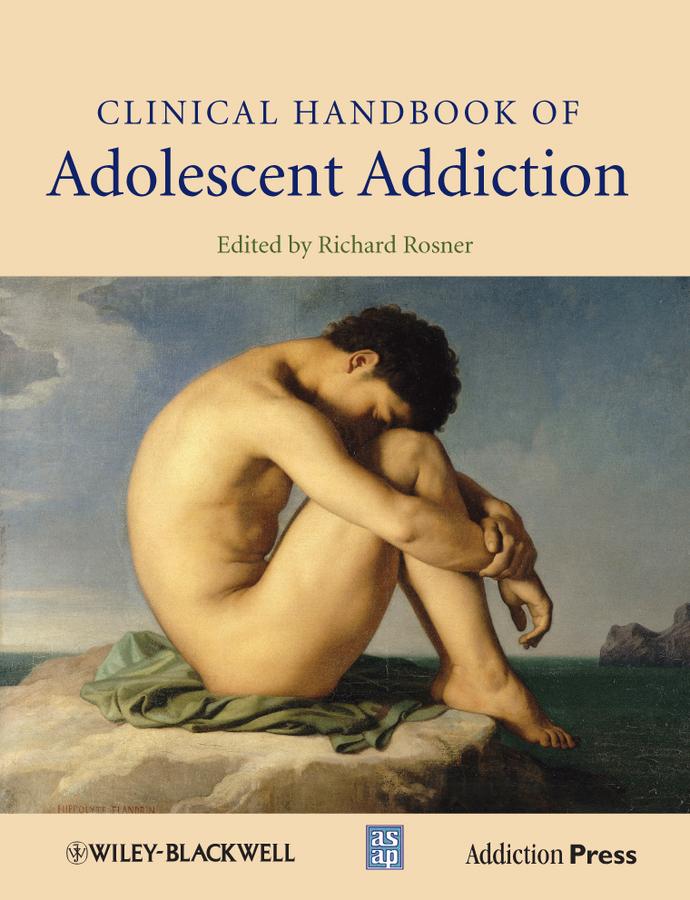
The Clinical Handbook of Adolescent Addiction is one response to the challenge of meeting the mental health needs and behavior-related problems of addicted teenagers. The work has been edited as an independent project by members of the American Society for Adolescent Psychiatry, the oldest professional organization of psychiatrists devoted solely to the mental health care and treatment of teenagers in the USA. The forensic psychiatry perspective permeates the entire book. It will help to produce health providers with a deep and sensitive understanding of the developmental needs and behavior-related problems of adolescents.
The Clinical Handbook of Adolescent Addiction is a practical tool for all those who help adolescents: practitioners of family medicine, general psychiatrists, child/adolescent psychiatrists, adolescent psychiatrists, addiction psychiatrists, non-psychiatric physicians specializing in addiction medicine, forensic psychiatrists, psychologists, clinical social workers, mental health administrators, Court/Probation/ Parole/Correctional health workers.
The book is organized in a user-friendly format so that readers can easily locate the chapters that provide the information that is required. In some instances, topics of special importance deliberately have been addressed in more than one chapter, to illuminate the topics from a variety of vantage points. One aim of the editors is to move the topic from being a specialist area to a generalist one by providing tools for generalist to use.
Płać wygodnie kartą, Klarną, Apple Pay lub Google Pay. Nie jesteś zadowolony? Zawsze masz 14-dniową gwarancję zwrotu pieniędzy. Więcej przeczytasz w naszych warunkach. Masz pytania? Napisz do nas na hello@memmo.org.
Memmo ułatwia naukę – gdziekolwiek jesteś na świecie. U nas znajdziesz podręczniki i sprytne narzędzia do nauki w jednym miejscu: streszczenia, quizy, podcasty i fiszki. A do tego Ted, Twój kumpel do nauki, który odpowie na wszystko, co Cię nurtuje. Ponad 50 000 studentów już tu się uczy – stworzone, byś uczył się szybciej i mniej stresował.