
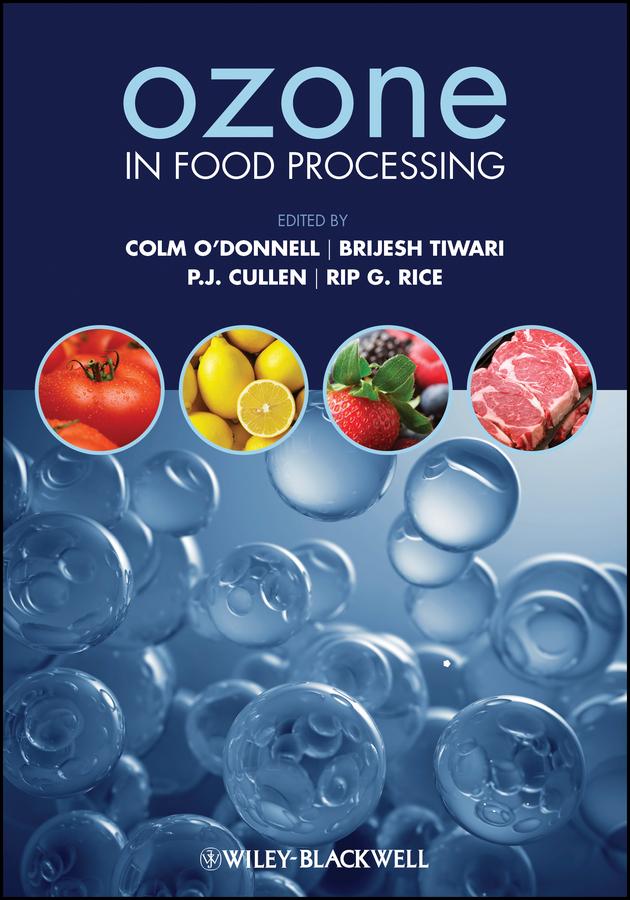
The chemical and physical properties of ozone are described, along with its microbial inactivation mechanisms. The various methods of ozone production are compared, including their economic and technical aspects. Several chapters are dedicated to the major food processing applications: fruit and vegetables, grains, meat, seafood and food hydrocolloids, and the effects on nutritional and quality parameters will be reviewed throughout. Further chapters examine the role of ozone in water treatment, in food waste treatment and in deactivating pesticide residues. The international regulatory and legislative picture is addressed, as are the health and safety implications of ozone processing and possible future trends.
Płać wygodnie kartą, Klarną, Apple Pay lub Google Pay. Nie jesteś zadowolony? Zawsze masz 14-dniową gwarancję zwrotu pieniędzy. Więcej przeczytasz w naszych warunkach. Masz pytania? Napisz do nas na hello@memmo.org.
Memmo ułatwia naukę – gdziekolwiek jesteś na świecie. U nas znajdziesz podręczniki i sprytne narzędzia do nauki w jednym miejscu: streszczenia, quizy, podcasty i fiszki. A do tego Ted, Twój kumpel do nauki, który odpowie na wszystko, co Cię nurtuje. Ponad 50 000 studentów już tu się uczy – stworzone, byś uczył się szybciej i mniej stresował.