
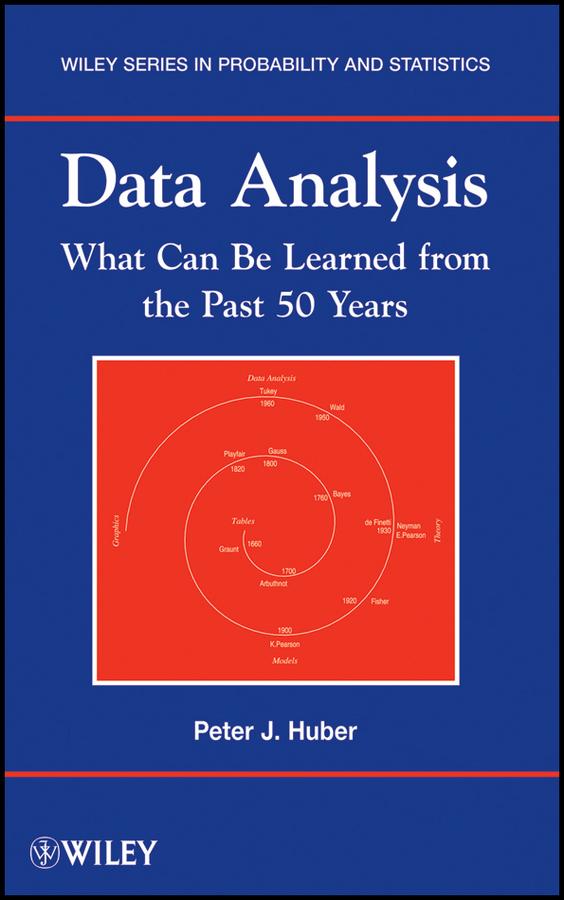
This book explores the many provocative questions concerning the fundamentals of data analysis. It is based on the time-tested experience of one of the gurus of the subject matter. Why should one study data analysis? How should it be taught? What techniques work best, and for whom? How valid are the results? How much data should be tested? Which machine languages should be used, if used at all? Emphasis on apprenticeship (through hands-on case studies) and anecdotes (through real-life applications) are the tools that Peter J. Huber uses in this volume. Concern with specific statistical techniques is not of immediate value; rather, questions of strategy – when to use which technique – are employed. Central to the discussion is an understanding of the significance of massive (or robust) data sets, the implementation of languages, and the use of models. Each is sprinkled with an ample number of examples and case studies. Personal practices, various pitfalls, and existing controversies are presented when applicable. The book serves as an excellent philosophical and historical companion to any present-day text in data analysis, robust statistics, data mining, statistical learning, or computational statistics.
Strony: 234
Kategoria: Vetenskapsteori och forskningsmetod
e-ISBN: 9781118018262
Waga przesyłki: 1.2 kg
Wysyłka w ciągu: 1-2 dni
Płać wygodnie kartą, Klarną, Apple Pay lub Google Pay. Nie jesteś zadowolony? Zawsze masz 14-dniową gwarancję zwrotu pieniędzy. Więcej przeczytasz w naszych warunkach. Masz pytania? Napisz do nas na hello@memmo.org.
Memmo ułatwia naukę – gdziekolwiek jesteś na świecie. U nas znajdziesz podręczniki i sprytne narzędzia do nauki w jednym miejscu: streszczenia, quizy, podcasty i fiszki. A do tego Ted, Twój kumpel do nauki, który odpowie na wszystko, co Cię nurtuje. Ponad 50 000 studentów już tu się uczy – stworzone, byś uczył się szybciej i mniej stresował.