
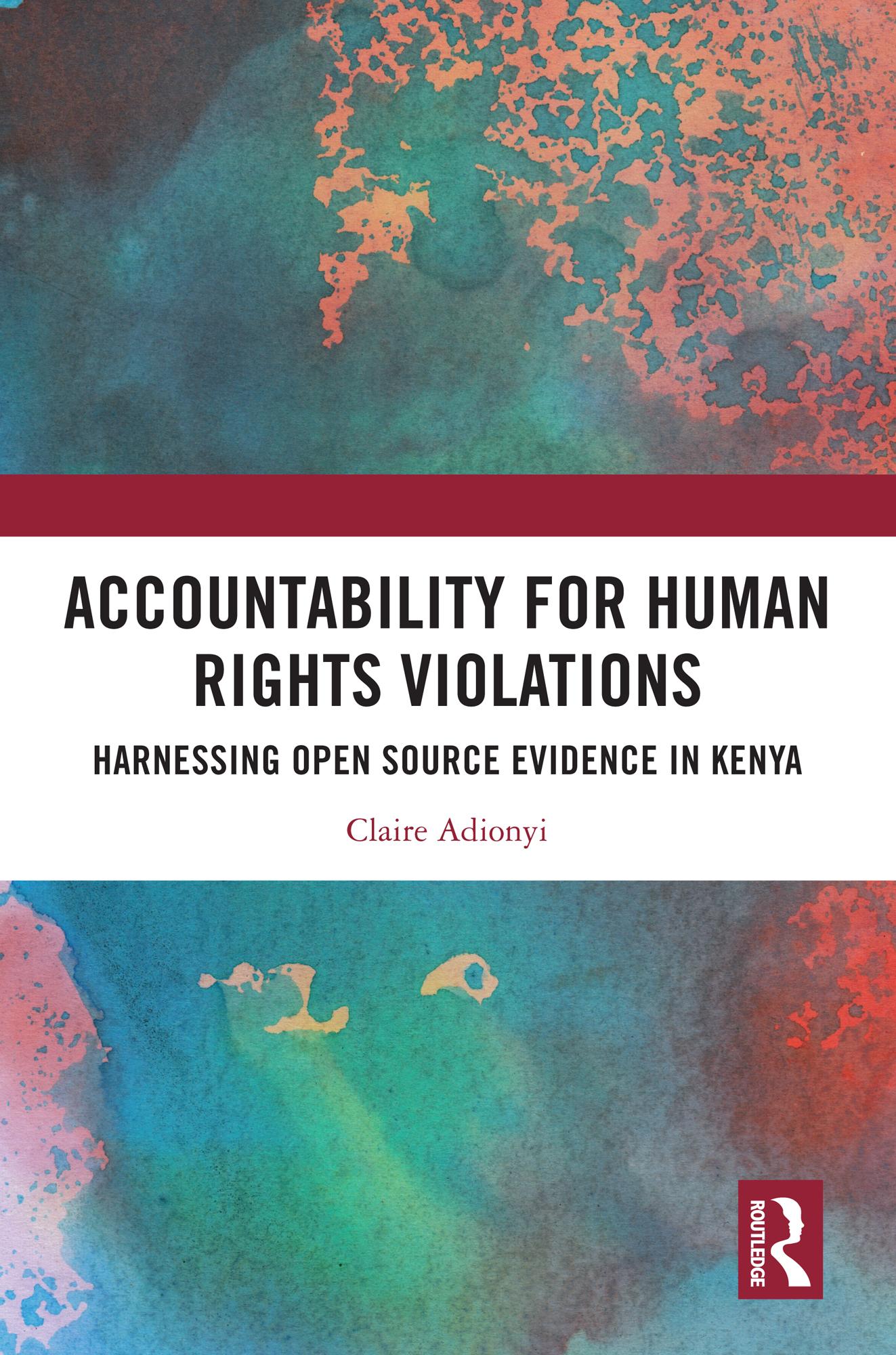
This book analyses how open source evidence can be harnessed to enhance accountability for human rights violations in Kenya. Building upon existing literature that has demonstrated its potential to radically transform the way investigations are conducted and how information is collected and analysed, it argues for the development of a legal framework to facilitate the use of open source evidence in court. This framework is developed by incorporating best practices gleaned from a comparative analysis of the national jurisprudence from leading common law jurisdictions and an assessment of prevailing international standards. The research supporting it further incorporates primary data from a systematic case study, a survey and key informant interviews targeting legal practitioners, criminal investigators and members of the judiciary in Kenya. In examining and proposing a standardised and reproducible framework for the determination of the admissibility of open source evidence in domestic legal proceedings within a common law legal system, the work will be a valuable resource for academics, researchers and policy-makers working in the areas of International Human Rights Law, International Criminal Law, Evidence Law, Law and Technology, Comparative Law and Accountability Studies.
Płać wygodnie kartą, Klarną, Apple Pay lub Google Pay. Nie jesteś zadowolony? Zawsze masz 14-dniową gwarancję zwrotu pieniędzy. Więcej przeczytasz w naszych warunkach. Masz pytania? Napisz do nas na hello@memmo.org.
Memmo ułatwia naukę – gdziekolwiek jesteś na świecie. U nas znajdziesz podręczniki i sprytne narzędzia do nauki w jednym miejscu: streszczenia, quizy, podcasty i fiszki. A do tego Ted, Twój kumpel do nauki, który odpowie na wszystko, co Cię nurtuje. Ponad 50 000 studentów już tu się uczy – stworzone, byś uczył się szybciej i mniej stresował.
Może Ci się spodobać
Kup książkę0