
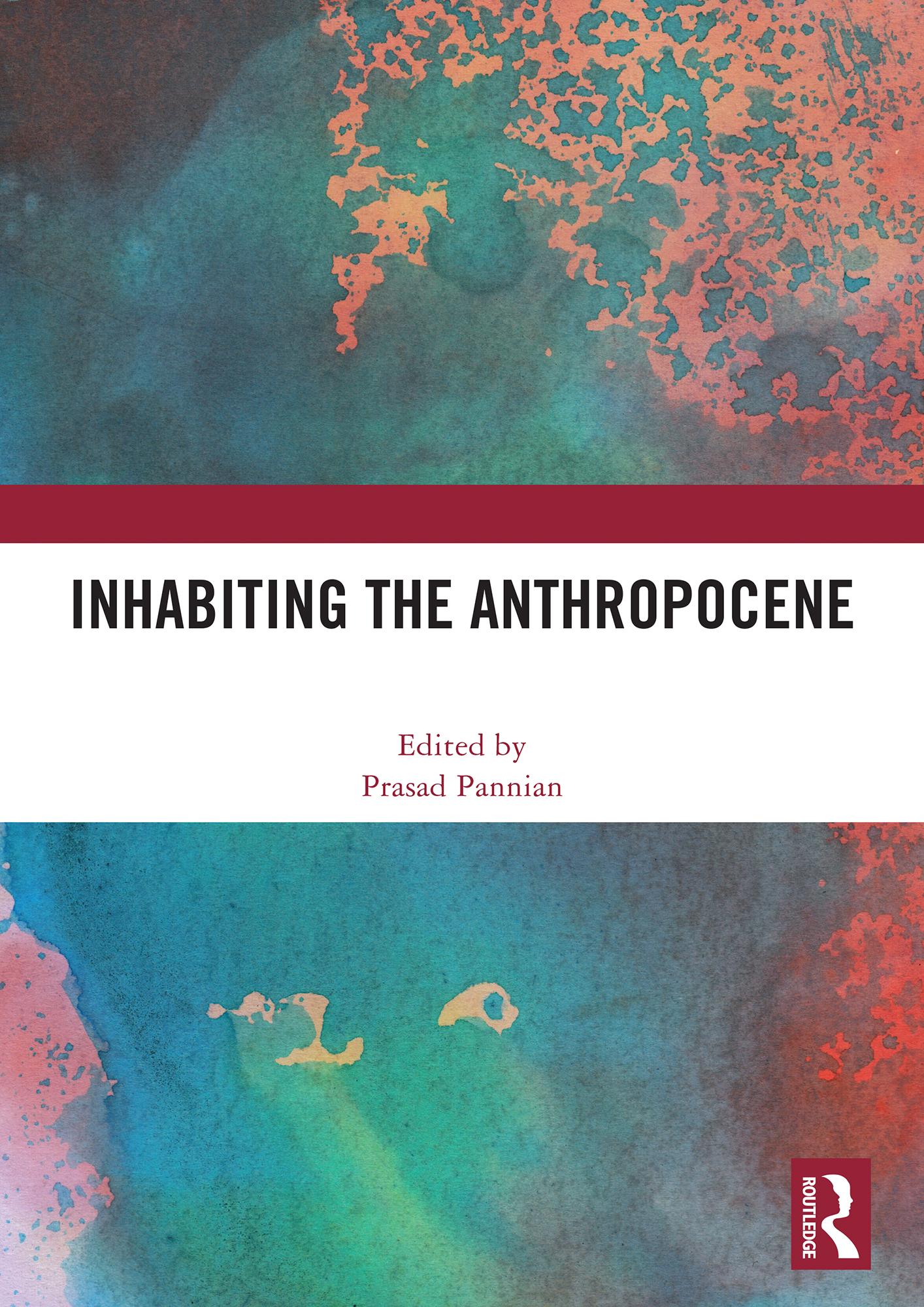
What does it mean to inhabit a world in which human activity has become a geological force? As climate change, ecological crisis, and environmental uncertainty increasingly reshape life on Earth, the humanities are compelled to rethink some of their most enduring
assumptions about history, nature, agency, and the human itself.
Bringing together scholars from diverse disciplines, Inhabiting the Anthropocene explores how the Anthropocene unsettles familiar distinctions between human and natural history, culture, and environment, and the human and the nonhuman. Moving across philosophy, literary studies, environmental humanities, historiography, media studies, ecology, and cultural theory, the essays in this volume engage questions of climate, technology, species life, ecological consciousness, and planetary transformation.
Addressing themes such as posthumanism, phenomenology, climate fiction, ontology, nonhuman worlds, and South Asian histories and ecologies, the collection reflects on the intellectual and ethical challenges of living in an age of accelerating environmental change. The volume will interest scholars, students, and readers concerned with ecology, climate, and the future of life on a rapidly changing planet.
Płać wygodnie kartą, Klarną, Apple Pay lub Google Pay. Nie jesteś zadowolony? Zawsze masz 14-dniową gwarancję zwrotu pieniędzy. Więcej przeczytasz w naszych warunkach. Masz pytania? Napisz do nas na hello@memmo.org.
Memmo ułatwia naukę – gdziekolwiek jesteś na świecie. U nas znajdziesz podręczniki i sprytne narzędzia do nauki w jednym miejscu: streszczenia, quizy, podcasty i fiszki. A do tego Ted, Twój kumpel do nauki, który odpowie na wszystko, co Cię nurtuje. Ponad 50 000 studentów już tu się uczy – stworzone, byś uczył się szybciej i mniej stresował.