
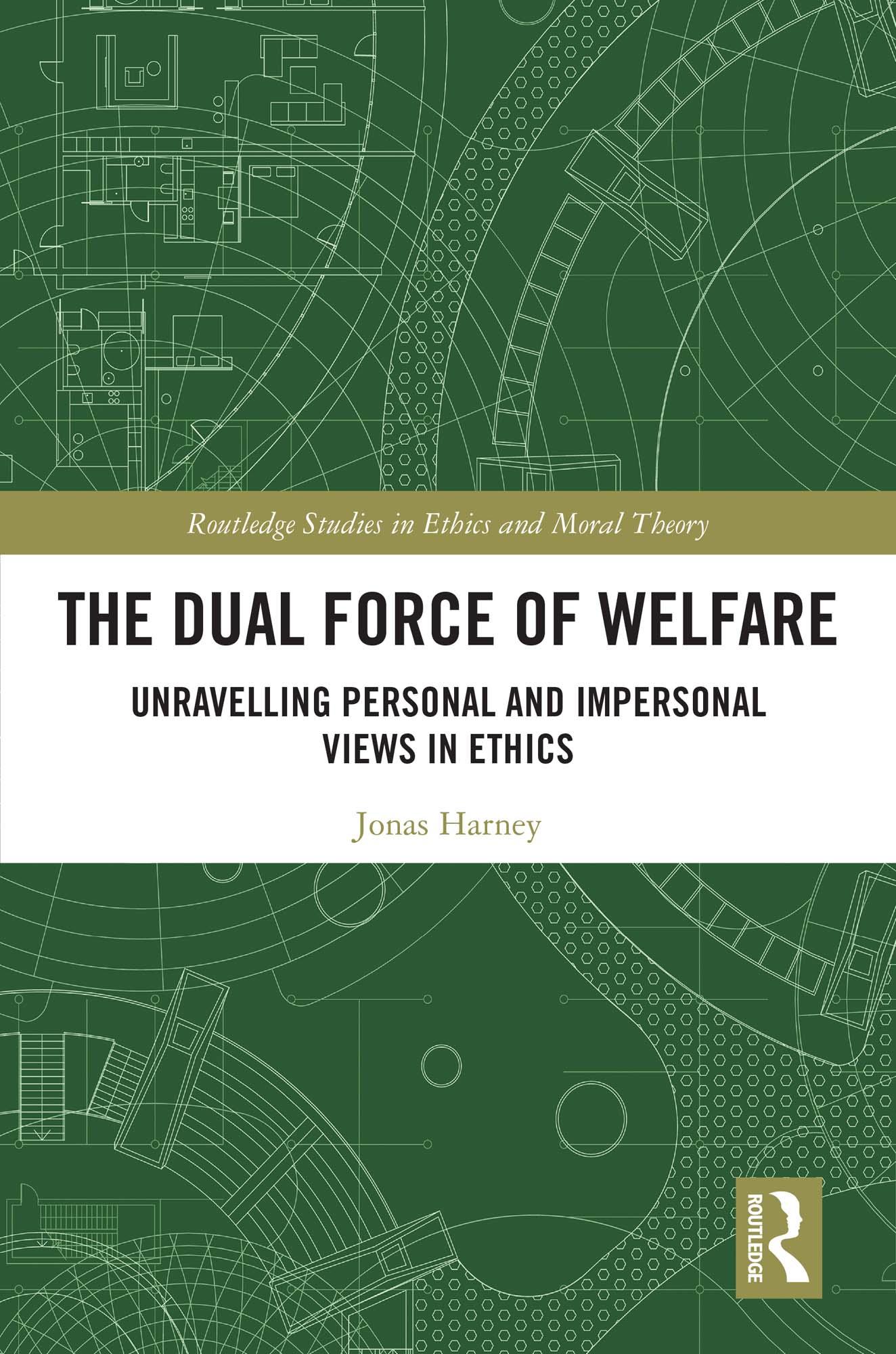
This book explores the moral significance of welfare by dissecting a dichotomy central to moral theory and welfare ethics: the distinction between personal and impersonal views. It systematically examines this distinction, revealing its ambiguities and implications for moral judgements in general and issues of population ethics and interpersonal welfare trade-offs in particular.
This book argues for the Dual Personal View of Welfare, asserting that welfare has moral value both in absolute terms and through comparative considerations for individuals. Structured in three parts, it first disambiguates the personal-impersonal distinction, then evaluates its various aspects, and finally develops a dual theory of outcome comparisons. The author’s innovative approach addresses challenges such as the intransitivity of "better than" and the complexities of population ethics, offering a set-relative strategy that re-establishes transitivity within fixed sets of outcomes. By providing the first systematic analysis of personal and impersonal views, this book promises to reshape discussions on the moral value of welfare and its implications for future generations.
Accessible yet rigorous, The Dual Force of Welfare is essential for moral philosophers and ethicists, but will also be of great interest to scholars in related fields such as decision theory, political theory, and social economics.
Płać wygodnie kartą, Klarną, Apple Pay lub Google Pay. Nie jesteś zadowolony? Zawsze masz 14-dniową gwarancję zwrotu pieniędzy. Więcej przeczytasz w naszych warunkach. Masz pytania? Napisz do nas na hello@memmo.org.
Memmo ułatwia naukę – gdziekolwiek jesteś na świecie. U nas znajdziesz podręczniki i sprytne narzędzia do nauki w jednym miejscu: streszczenia, quizy, podcasty i fiszki. A do tego Ted, Twój kumpel do nauki, który odpowie na wszystko, co Cię nurtuje. Ponad 50 000 studentów już tu się uczy – stworzone, byś uczył się szybciej i mniej stresował.