
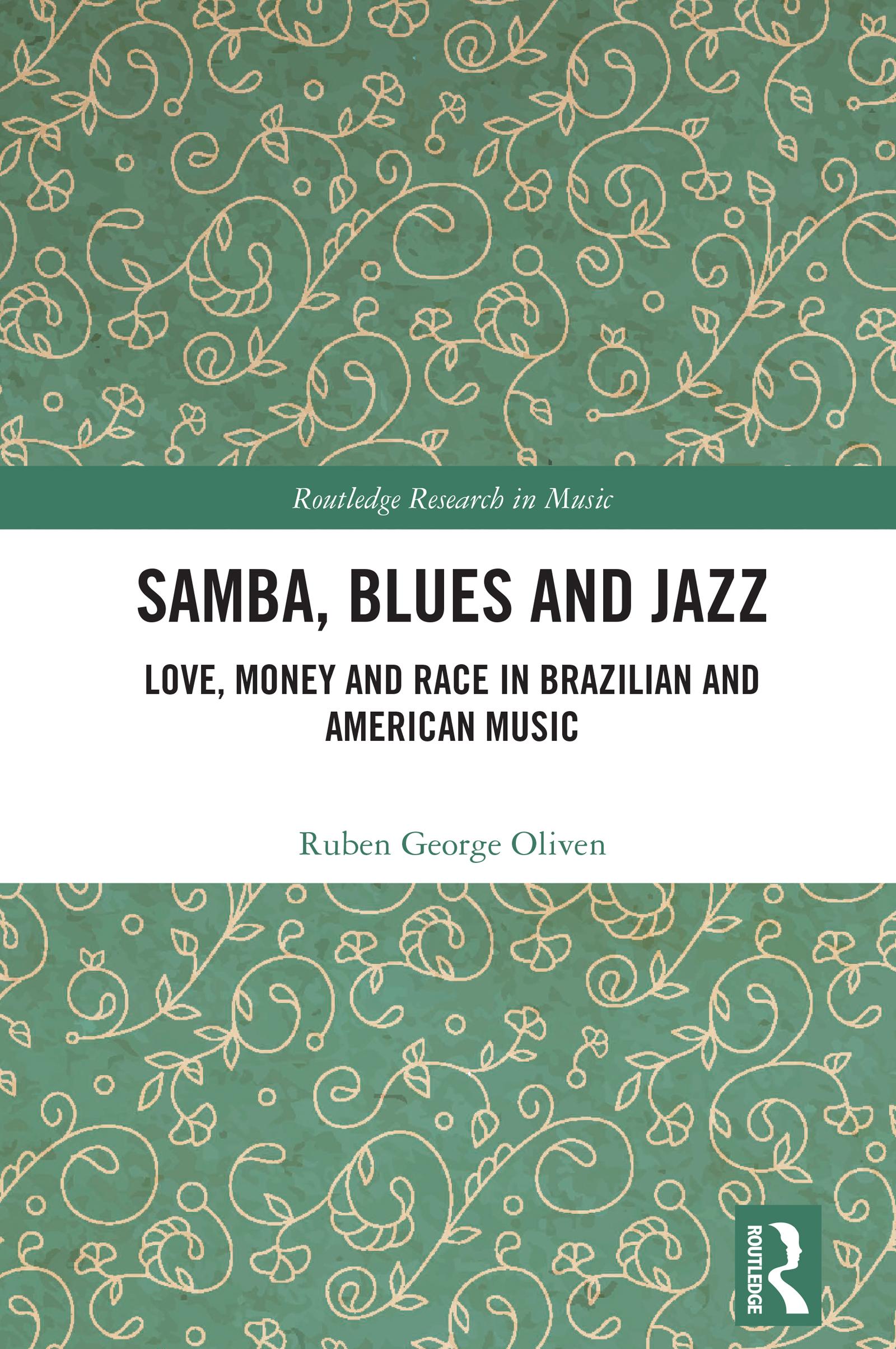
This book compares the origins of samba, jazz, and the blues, discussing the racial and popular class elements surrounding them and how white middle-class composers gradually appropriated them, in the context of Brazil and the United States, providing invaluable comparative insights about modernity, music, and race. These musical styles developed at the beginning of the twentieth century when Brazil and the United States, despite their differences, underwent significant social processes, such as dealing with the consequences of enslavement, European and global migration, rapid urbanization and industrialization, monetization of life, changes in gender and family relations, and the building of national identities. Their lyrics carry potent messages that reflect their social context and shed light on recurring themes such as work, money, love, gender, family, and race. Many of these songs have become classics that continue to resonate with the imaginaries of both countries. Brazilian and American music intertwined through the performances of Black musicians in 1920s Paris, the development of jazz bands in Brazil, and the presence of artists like Carmen Miranda in 1940s Hollywood.
The book will be of interest to those studying the modern Americas, popular culture, music and race, affect in history, gender, and modernity.
Płać wygodnie kartą, Klarną, Apple Pay lub Google Pay. Nie jesteś zadowolony? Zawsze masz 14-dniową gwarancję zwrotu pieniędzy. Więcej przeczytasz w naszych warunkach. Masz pytania? Napisz do nas na hello@memmo.org.
Memmo ułatwia naukę – gdziekolwiek jesteś na świecie. U nas znajdziesz podręczniki i sprytne narzędzia do nauki w jednym miejscu: streszczenia, quizy, podcasty i fiszki. A do tego Ted, Twój kumpel do nauki, który odpowie na wszystko, co Cię nurtuje. Ponad 50 000 studentów już tu się uczy – stworzone, byś uczył się szybciej i mniej stresował.