
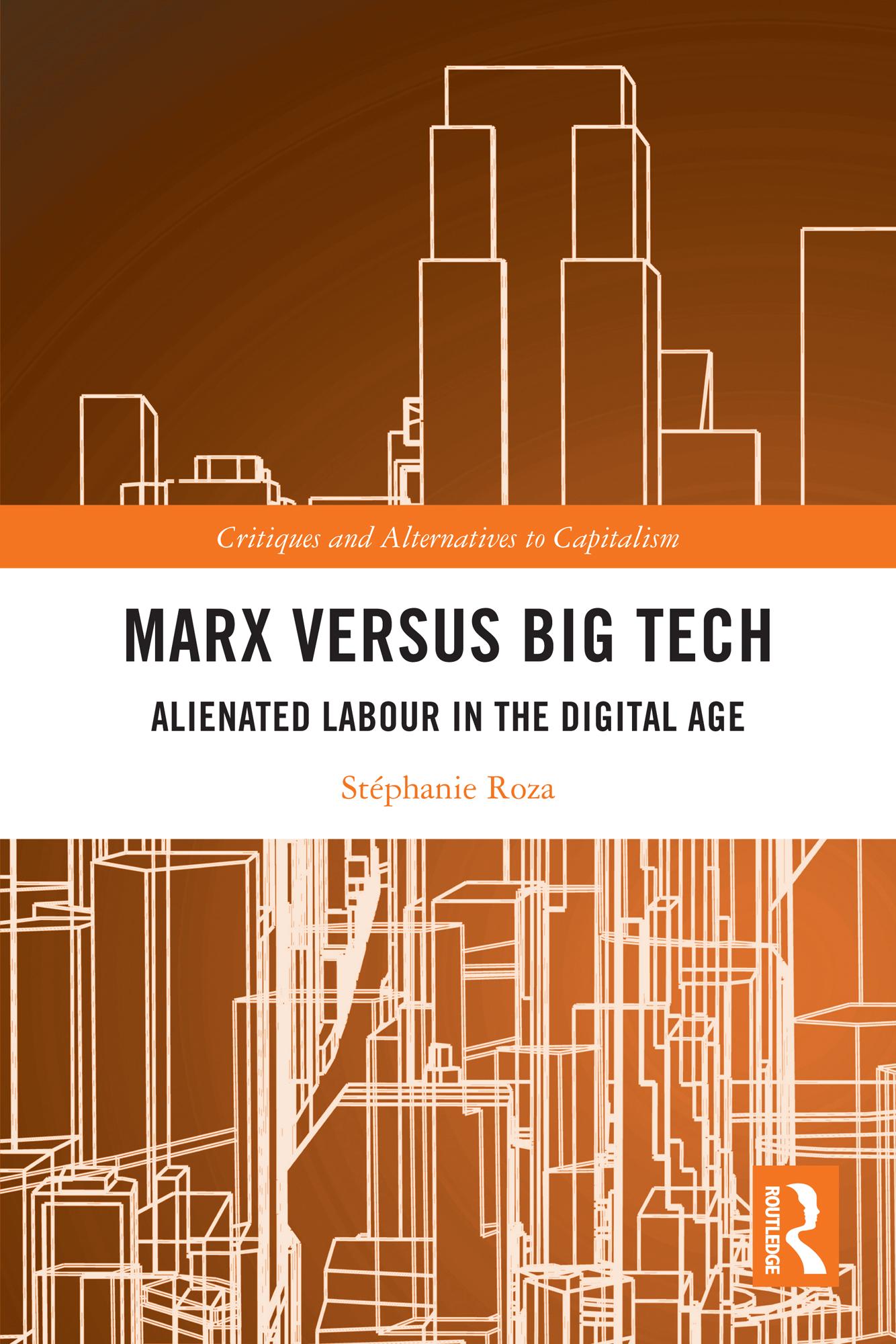
This book asks whether Marx's concepts can still be useful to those seeking emancipation in the time of platform capitalism. Offering a pointed discussion of what emancipation in the workplace would mean, it explores the potential of Humanist Marxism to address this possibility.
Humanist Marxism, as advocated by Georg Lukács and Henri Lefebvre, among others, provides invaluable tools for analysing the transformations and shortcomings of contemporary society. It puts forward the hypothesis that a universal human essence evolves over time thanks to the efforts of individuals in their work, gradually humanising the world and increasing the wealth and power of societies. However, with this progress comes a "dark side" caused by advances in technology and digital platforms, bringing new forms of alienation and dramatically altering our relationships with work and others. Drawing on analysis of platforms such as Uber and positing that labour plays a key role in human bondage or emancipation, the book shows how platformisation is a new strategy of exploitation.
Drawing on the contributions and debates within Humanist Marxism, this book offers a clear and philosophically rich reading of our world that can provide a serious basis for a theory of liberation relevant to our times. It will be vital reading for researchers and post-graduate students with interests in Marxism, social and political thought, alternatives to capitalism and political philosophy.
Płać wygodnie kartą, Klarną, Apple Pay lub Google Pay. Nie jesteś zadowolony? Zawsze masz 14-dniową gwarancję zwrotu pieniędzy. Więcej przeczytasz w naszych warunkach. Masz pytania? Napisz do nas na hello@memmo.org.
Memmo ułatwia naukę – gdziekolwiek jesteś na świecie. U nas znajdziesz podręczniki i sprytne narzędzia do nauki w jednym miejscu: streszczenia, quizy, podcasty i fiszki. A do tego Ted, Twój kumpel do nauki, który odpowie na wszystko, co Cię nurtuje. Ponad 50 000 studentów już tu się uczy – stworzone, byś uczył się szybciej i mniej stresował.