
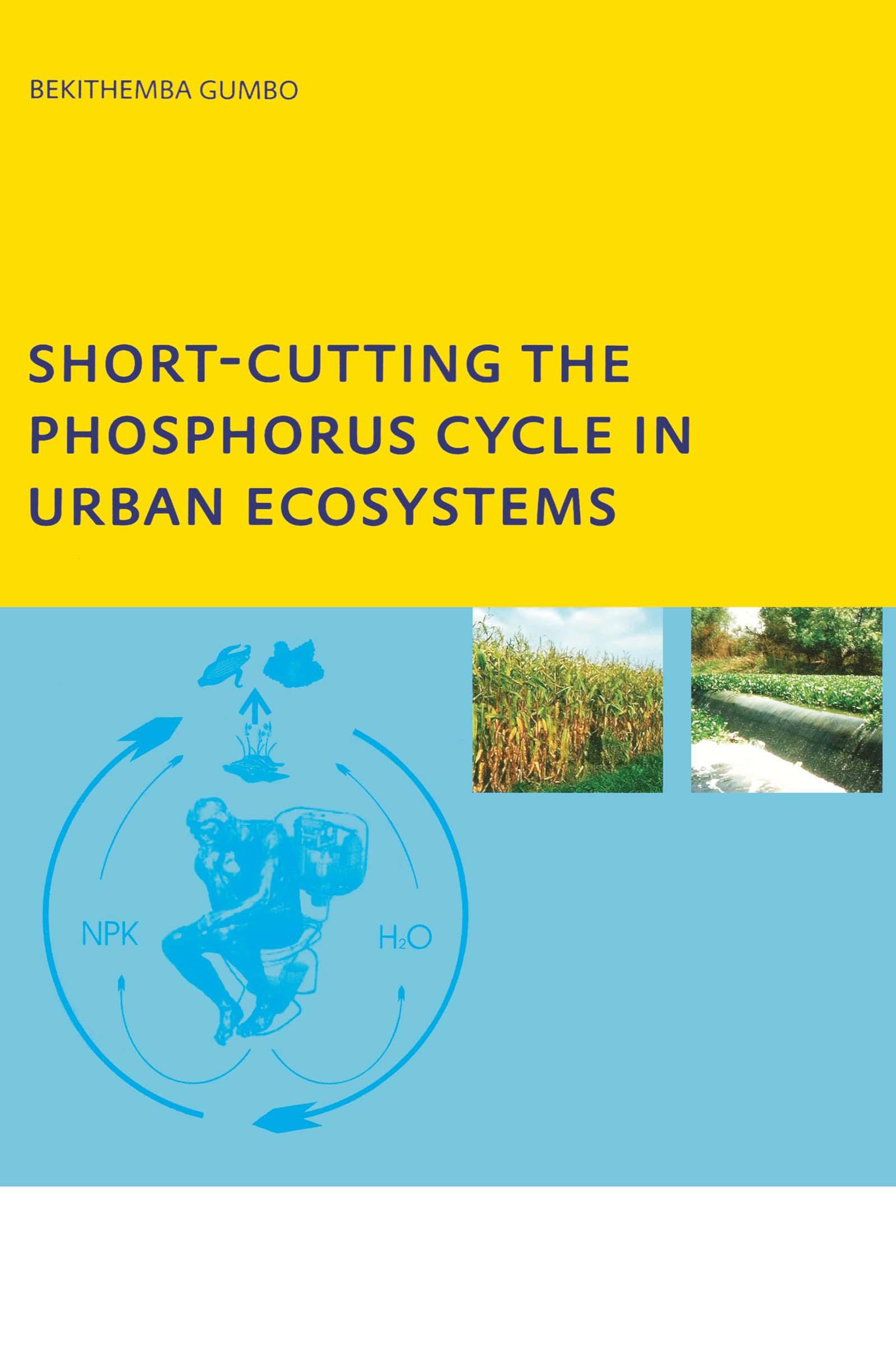
This dissertation presents a methodology of short-cutting the phosphorus cycle in urban ecosystems. In nature, the P-cycle is a circular, closed-loop system, but human activities use and dispose P in a linear, open-ended system leading to the customary environmental problems. Lake Chivero in Zimbabwe is used as a case study to illustrate the unsustainable practice of discharging valuable and finite phosphorous into drinking water resources. Short-cutting or closing the P-cycle in the urban environment is closely related to the closure of water cycles. Closing the P-cycle is dependent on the adoption of ecological sanitation and eco-city concepts. These concepts lead to solutions, which are source orientated (local and small scale), non-mixing, ecologically sound, closed-loop systems. Recycling of P in urban ecological agriculture (without synthetic fertilisers) is used in this dissertation to test the feasibility of these concepts. A phosphorus calculator has been developed, based on studies of monthly P-fluxes and stocks, in a high-density suburb of Harare in Zimbabwe, where agriculture is an established activity.
Płać wygodnie kartą, Klarną, Apple Pay lub Google Pay. Nie jesteś zadowolony? Zawsze masz 14-dniową gwarancję zwrotu pieniędzy. Więcej przeczytasz w naszych warunkach. Masz pytania? Napisz do nas na hello@memmo.org.
Memmo ułatwia naukę – gdziekolwiek jesteś na świecie. U nas znajdziesz podręczniki i sprytne narzędzia do nauki w jednym miejscu: streszczenia, quizy, podcasty i fiszki. A do tego Ted, Twój kumpel do nauki, który odpowie na wszystko, co Cię nurtuje. Ponad 50 000 studentów już tu się uczy – stworzone, byś uczył się szybciej i mniej stresował.