
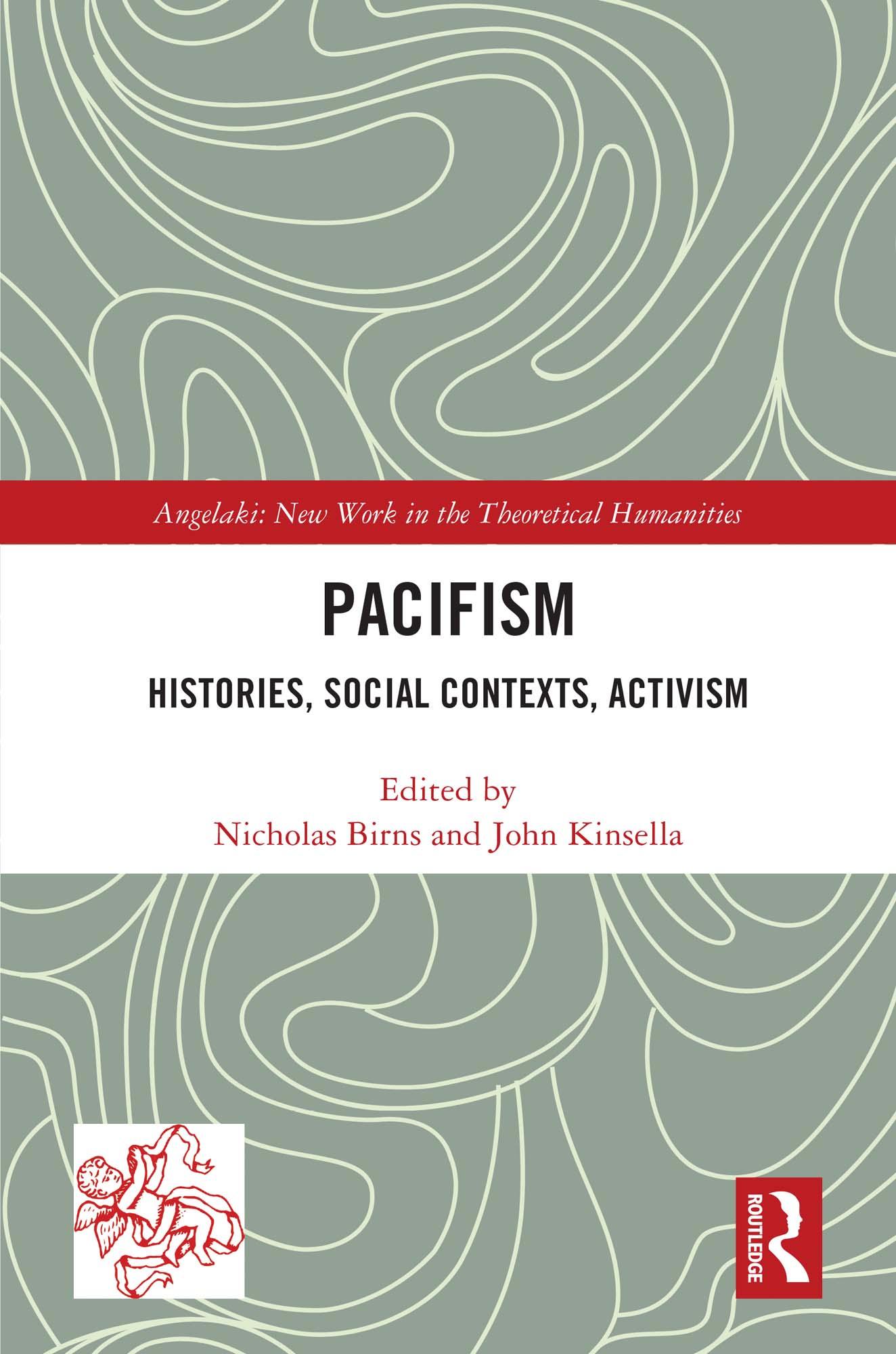
This book offers a profound and necessary re-evaluation of pacifism, positioning it not merely as a negative stance against war, but as a comprehensive philosophical orientation toward living and ethical engagement. Moving beyond conventional political and historical limitations, the collection interrogates the radical intellectual and practical potential of non-violence in the twenty-first century.
The contributions explore historical reappraisals—from reintroducing the Quaker pacifist Jonathan Dymond to considering Tolstoy in relation to critiques of Eurocentrism. Contemporary articulations of non-violence are examined, including anarcho-pacifism and feminist counternarratives emerging from movements like the Arab Spring. The book expands the scope of violence and pacifist resistance, questioning whether the ethical imperative of pacifism must extend to include refusal of violence against animal life and the inanimate, thereby embracing ecological and environmental justice.
This collection addresses academics, researchers, and advanced students in philosophy, political theory, peace studies, and environmental studies. It serves as essential reading for courses on pacifist philosophy, nonviolent resistance, and contemporary political thought, offering a revitalisation of pacifist knowledge as a critical counterforce to aggressive politics.
This book was originally published as a special issue of Angelaki: Journal for Theoretical Humanities.
Płać wygodnie kartą, Klarną, Apple Pay lub Google Pay. Nie jesteś zadowolony? Zawsze masz 14-dniową gwarancję zwrotu pieniędzy. Więcej przeczytasz w naszych warunkach. Masz pytania? Napisz do nas na hello@memmo.org.
Memmo ułatwia naukę – gdziekolwiek jesteś na świecie. U nas znajdziesz podręczniki i sprytne narzędzia do nauki w jednym miejscu: streszczenia, quizy, podcasty i fiszki. A do tego Ted, Twój kumpel do nauki, który odpowie na wszystko, co Cię nurtuje. Ponad 50 000 studentów już tu się uczy – stworzone, byś uczył się szybciej i mniej stresował.