
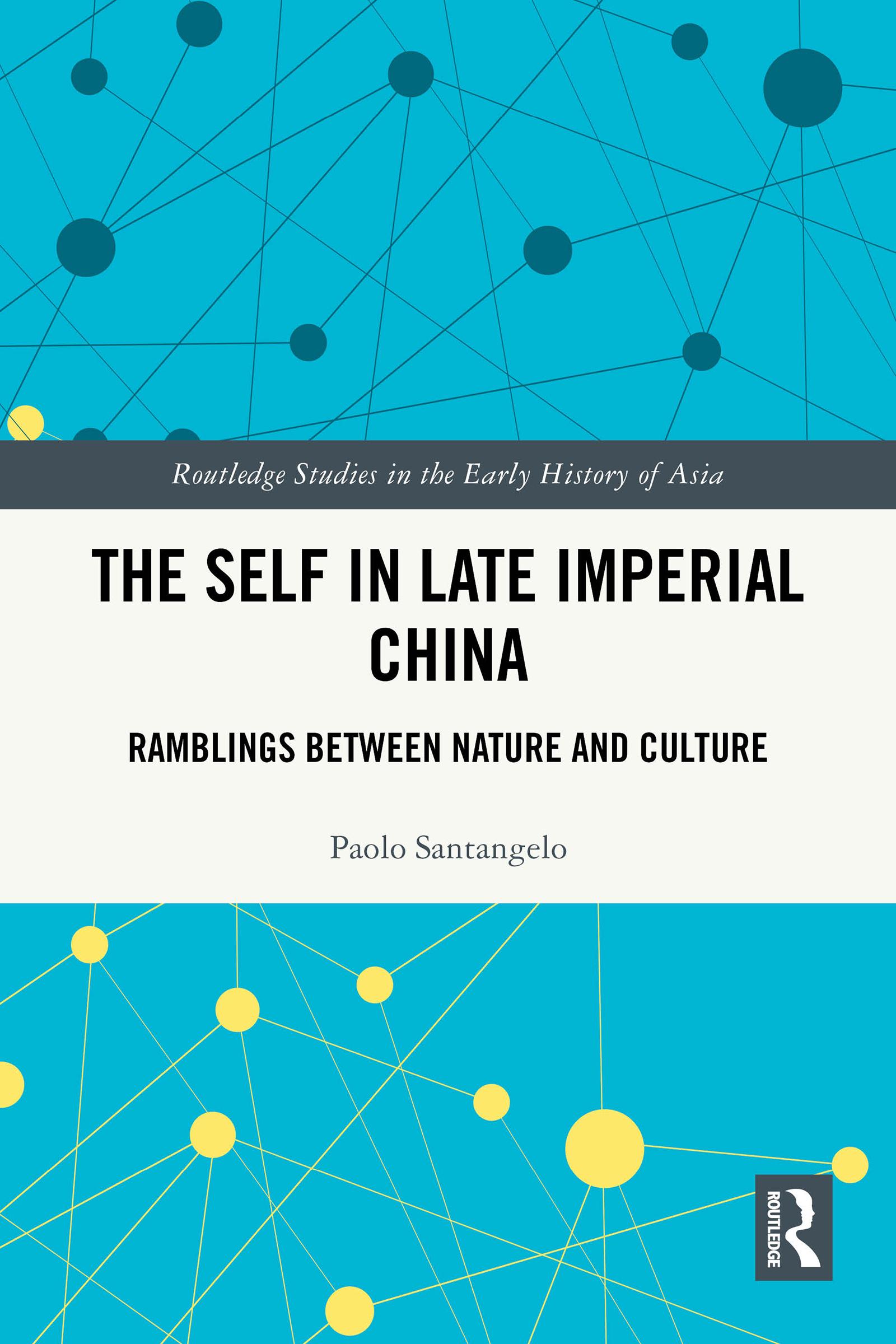
This book reflects on the representation of the self in late imperial China, prior to the influence of Western philosophical paradigms.
Examining how early modern Chinese literati and intellectuals conceived of selfhood, with particular attention to emotions, desires, moral sentiments, passions, and the embodied experience of sensory feelings, the book adopts a comparative perspective, engaging directly with Chinese sources while drawing cross-cultural parallels with debates among modern Western thinkers such as Spinoza and Nietzsche. Two key concepts anchor the analysis: the affective world—emotions and dispositions (qing)—and authenticity (zhen), which underpinned what some scholars have termed the “cult of qing.” The study explores how these ideas reshaped notions of the self, revealing tensions between natural impulses and moral cultivation.
Engaging with both Chinese sources and modern Western thinkers, this book will be a valuable resource to students and scholars of Intellectual history, Chinese history and culture, and History of ideas.
Płać wygodnie kartą, Klarną, Apple Pay lub Google Pay. Nie jesteś zadowolony? Zawsze masz 14-dniową gwarancję zwrotu pieniędzy. Więcej przeczytasz w naszych warunkach. Masz pytania? Napisz do nas na hello@memmo.org.
Memmo ułatwia naukę – gdziekolwiek jesteś na świecie. U nas znajdziesz podręczniki i sprytne narzędzia do nauki w jednym miejscu: streszczenia, quizy, podcasty i fiszki. A do tego Ted, Twój kumpel do nauki, który odpowie na wszystko, co Cię nurtuje. Ponad 50 000 studentów już tu się uczy – stworzone, byś uczył się szybciej i mniej stresował.