
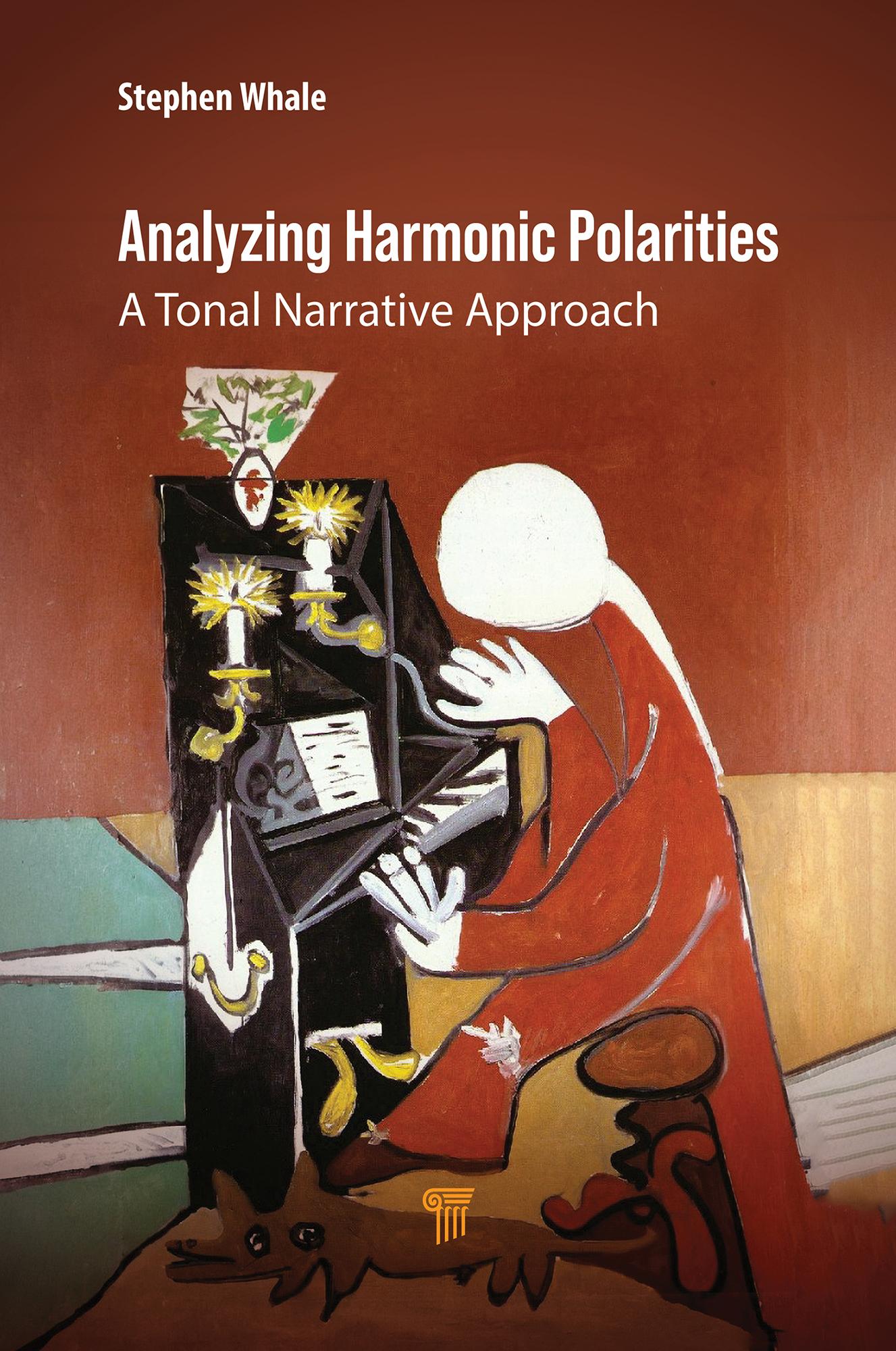
Analyzing the harmony and form of musical compositions remains a valuable tool for students of music, performers, composers, and musicologists. Yet many traditional approaches tend to focus on how complex features can be reduced into simpler categories and questions of unity and coherence. This book advocates an alternative tonal narrative approach, which uses a framework of polarities in dynamic interaction and interdependence to elucidate the life forces animating tonal compositions. Drawing on the writings of Arnold Schoenberg, Donald Francis Tovey, Charles Rosen, and others, the approach identifies three sets of polarities—centrifugal/centripetal, sharp/flat, and spatial/temporal—that interact in works by composers such as Mozart, Beethoven, and Schubert. The approach suggests the methods by which the reader may delve into these polarities and thereby deeper into the meaning of masterworks. It proposes several tonal narrative functions, including intensifications to culminations and counterbalancing leading to completeness of harmonic space, which aim at helping the interpreter perceive the overall shape and narrative dynamics of a work.
Płać wygodnie kartą, Klarną, Apple Pay lub Google Pay. Nie jesteś zadowolony? Zawsze masz 14-dniową gwarancję zwrotu pieniędzy. Więcej przeczytasz w naszych warunkach. Masz pytania? Napisz do nas na hello@memmo.org.
Memmo ułatwia naukę – gdziekolwiek jesteś na świecie. U nas znajdziesz podręczniki i sprytne narzędzia do nauki w jednym miejscu: streszczenia, quizy, podcasty i fiszki. A do tego Ted, Twój kumpel do nauki, który odpowie na wszystko, co Cię nurtuje. Ponad 50 000 studentów już tu się uczy – stworzone, byś uczył się szybciej i mniej stresował.