
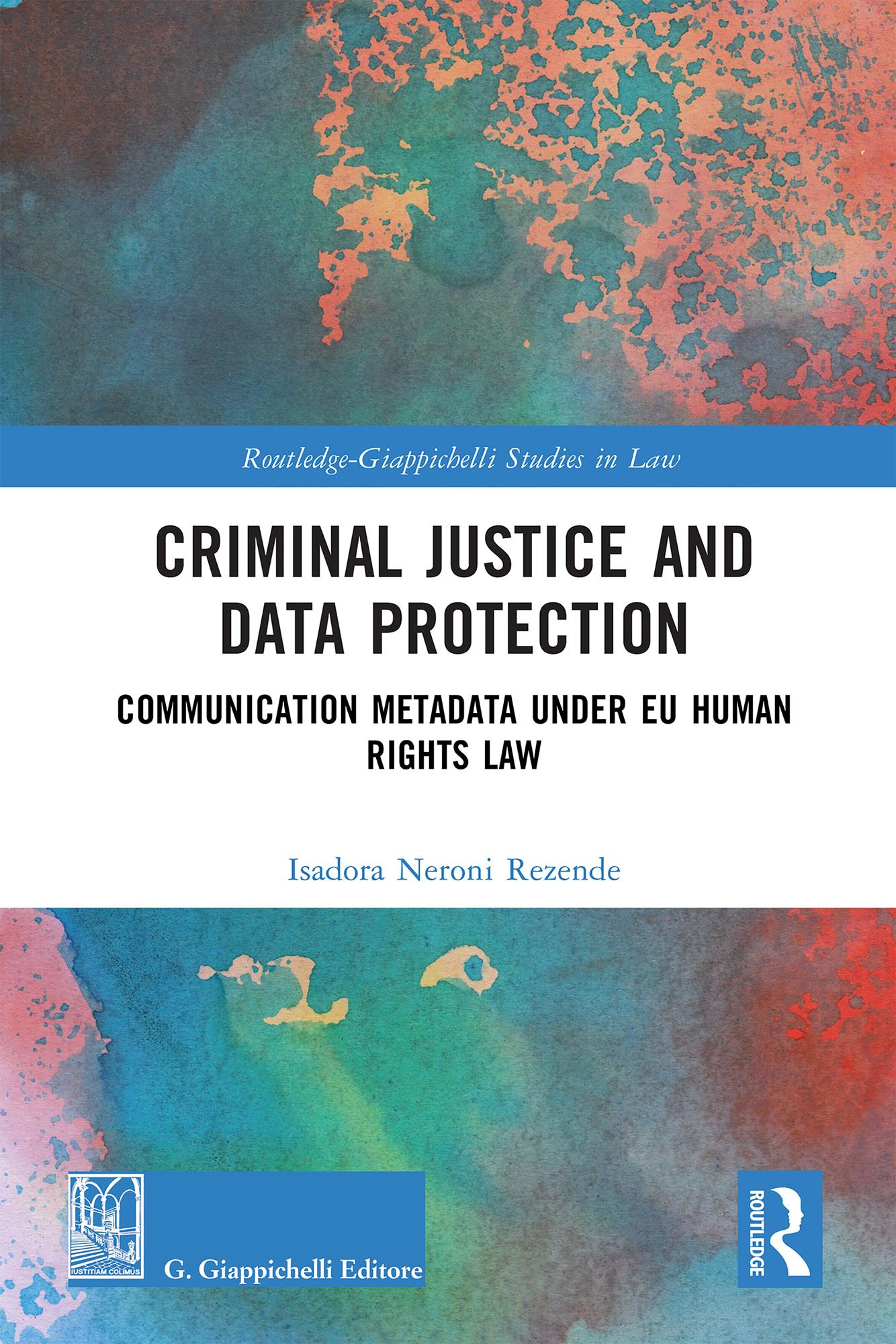
The use of traffic and location data in criminal justice is now a common prac-tice in the EU and beyond. Although metadata do not reveal the contents of communications, they allow to draw precise conclusions on the private lives of users, like their everyday habits, places of residence, daily movements and ac-tivities, social relationships, and frequented environments. For this reason, they are largely used by law enforcement to identify promising targets of investiga-tion or as evidence in criminal trials. In the EU, national legislation often pro-vides for the indiscriminate retention of such data, but the compatibility of these mass surveillance regimes with the European human rights framework has been questioned in the case law of the European Court on Human Rights (ECtHR) and the European Court of Justice (CJEU), as well as legal scholar-ship. Nevertheless, the use of unlawfully retained data in criminal proceedings is not usually sanctioned in national criminal procedural systems. This book addresses this problem by inquiring about how communications metadata can be used in criminal proceedings, having regard to the principles of legality and fairness. In particular, through the lens of fairness, the analysis seeks to find some common ground between privacy and data protection regimes on the one hand and criminal procedural rules on the other. To this end, it employs both an interdisciplinary doctrinal research method and a comparative analysis be-tween a limited number of EU Member States. By identifying different stand-ards of fairness for the preventive context, the investigation, and the trial phase, the book highlights gaps in protection and attempts to reconcile these two separate, yet closely related, regimes.
Płać wygodnie kartą, Klarną, Apple Pay lub Google Pay. Nie jesteś zadowolony? Zawsze masz 14-dniową gwarancję zwrotu pieniędzy. Więcej przeczytasz w naszych warunkach. Masz pytania? Napisz do nas na hello@memmo.org.
Memmo ułatwia naukę – gdziekolwiek jesteś na świecie. U nas znajdziesz podręczniki i sprytne narzędzia do nauki w jednym miejscu: streszczenia, quizy, podcasty i fiszki. A do tego Ted, Twój kumpel do nauki, który odpowie na wszystko, co Cię nurtuje. Ponad 50 000 studentów już tu się uczy – stworzone, byś uczył się szybciej i mniej stresował.