
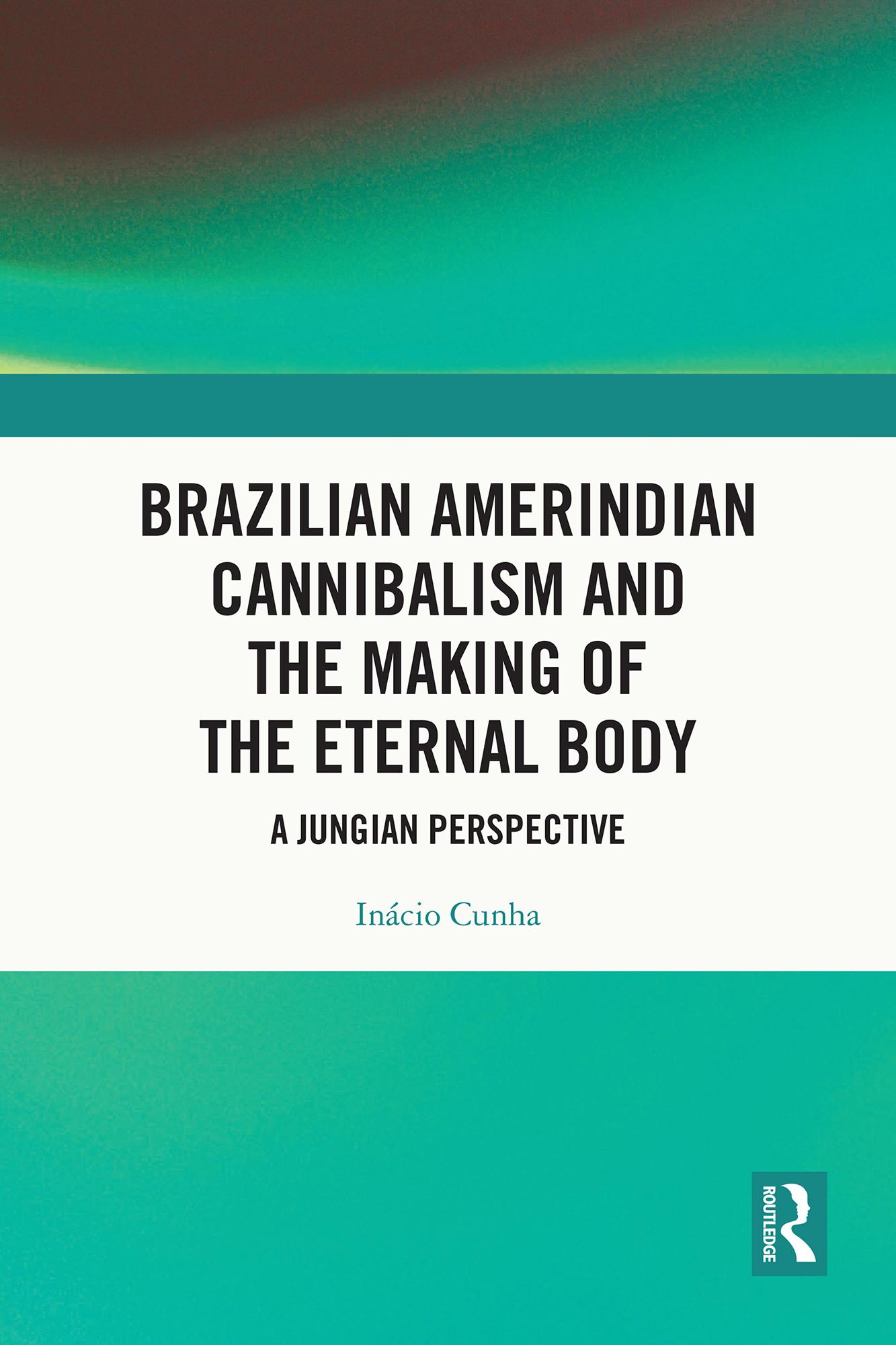
Drawing on extensive research into archaic Amerindian communities, this book presents a revolutionary thesis: Tupinambá cannibalism was not primarily about absorbing the qualities of the consumed enemy but rather served as a sacred pathway toward constructing an eternal, incorruptible body.
The author meticulously examines how warfare and ritualistic enemy consumption formed the cornerstone of a complex religious system deeply committed to transcending mortality. By reframing cannibalism as an expression of profound spiritual yearning rather than primitive savagery, this work challenges conventional anthropological interpretations and offers fresh insights into the universal human quest for eternity. The analysis reveals how the cultivation of "enmity" and warfare served as vehicles for addressing humanity's most fundamental existential concerns.
It will be an interesting read for researchers in the fields of Jungian psychology, social psychology, anthropology, and archaic communities.
Płać wygodnie kartą, Klarną, Apple Pay lub Google Pay. Nie jesteś zadowolony? Zawsze masz 14-dniową gwarancję zwrotu pieniędzy. Więcej przeczytasz w naszych warunkach. Masz pytania? Napisz do nas na hello@memmo.org.
Memmo ułatwia naukę – gdziekolwiek jesteś na świecie. U nas znajdziesz podręczniki i sprytne narzędzia do nauki w jednym miejscu: streszczenia, quizy, podcasty i fiszki. A do tego Ted, Twój kumpel do nauki, który odpowie na wszystko, co Cię nurtuje. Ponad 50 000 studentów już tu się uczy – stworzone, byś uczył się szybciej i mniej stresował.