
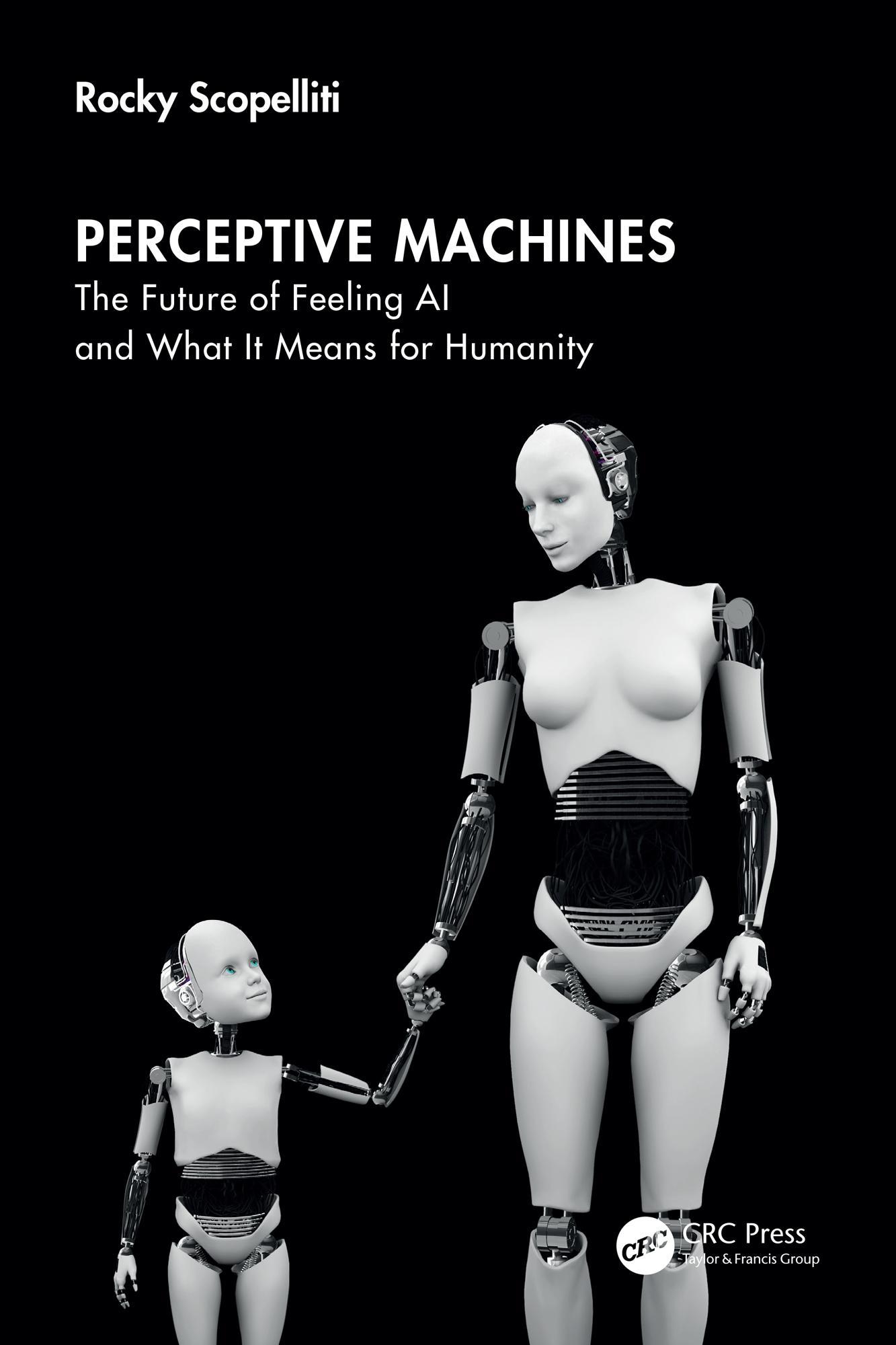
This book offers a compelling look into the future of artificial intelligence, where AI systems are no longer limited to just processing information, but can perceive the world through synthetic senses. The author explores how this shift from purely cognitive AI to embodied sensory experiences is blurring the lines between human and machine intelligence. It's a deep dive into how multisensory AI, powered by breakthroughs in areas like haptics and neural interfaces, will fundamentally alter what it means to experience, connect, and ultimately, to be human.
The book's key features lie in its multidisciplinary approach, drawing insights from neuroscience, philosophy, ethics, and frontier technologies to examine the far-reaching implications of artificial perception. It explores how synthetic senses will impact everything from personal identity and social relationships to cultural norms and moral agency. The book contains discussions on AI systems that can genuinely "feel" a hug and virtual environments that engage all five human senses, challenging our very definition of reality. There is a deep dive into the technologies of the sixth sense, from theory to engineering, Introducing the infrastructure of synthetic sensing - multimodal models, brain-machine interfaces, and sensory AI architectures. An interesting topic discussed is the privacy of the senses, which raises urgent ethical questions about biometric sensing, perceptual sovereignty, and the right to emotional privacy. Another topic of great concern is designing for dignity that outlines principles for creating AI-perception systems that centre dignity, inclusivity, and user sovereignty.
This book is a useful resource for with technologists, researchers, philosophers, ethicists, and futurists who are grappling with the implications of advanced AI. It can also be read by anyone curious about the cutting edge of AI and its profound impact on human existence.
Płać wygodnie kartą, Klarną, Apple Pay lub Google Pay. Nie jesteś zadowolony? Zawsze masz 14-dniową gwarancję zwrotu pieniędzy. Więcej przeczytasz w naszych warunkach. Masz pytania? Napisz do nas na hello@memmo.org.
Memmo ułatwia naukę – gdziekolwiek jesteś na świecie. U nas znajdziesz podręczniki i sprytne narzędzia do nauki w jednym miejscu: streszczenia, quizy, podcasty i fiszki. A do tego Ted, Twój kumpel do nauki, który odpowie na wszystko, co Cię nurtuje. Ponad 50 000 studentów już tu się uczy – stworzone, byś uczył się szybciej i mniej stresował.