
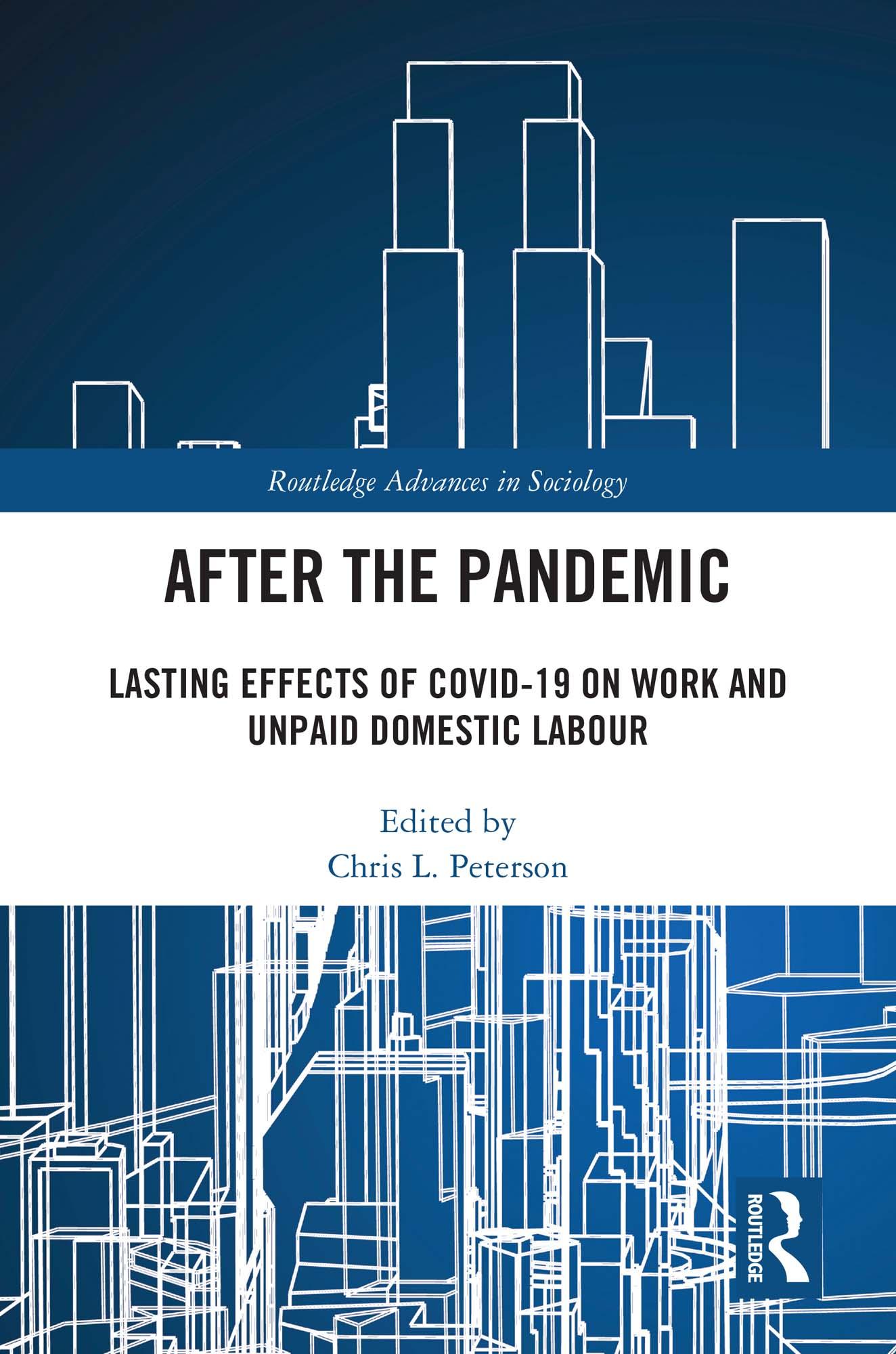
Presenting a sociological perspective on globalisation and COVID-19 impacts, this book examines the lasting effects of COVID-19 on the structure of work and unpaid domestic labour.
Labour patterns have influenced political, social, and economic spheres that affect organisational practices. Following the COVID-19 pandemic, this book showcases these effects upon household labour, care work, unpaid domestic work, and organisational practices, with attention to systemic inequalities by gender and age, net zero, privacy, and digitisation transitions. It examines the exponential post-pandemic growth of digitisation and what this has meant in encouraging remote, home-working or hybrid work health, and wellbeing. Taking a sociology of work approach with a critical eye for neoliberalism influences, this book explores the first years of the pandemic’s aftermath, analysing both its short-term and potential long-term effects on paid work and unpaid domestic labour.
This book will be of interest to academics, students, and practitioners in the areas of sociology, global studies, occupational health, and international relations. In particular, those engaged with the sociology of work and the sociology of family will find this a valuable resource for understanding work in the post-pandemic world.
Płać wygodnie kartą, Klarną, Apple Pay lub Google Pay. Nie jesteś zadowolony? Zawsze masz 14-dniową gwarancję zwrotu pieniędzy. Więcej przeczytasz w naszych warunkach. Masz pytania? Napisz do nas na hello@memmo.org.
Memmo ułatwia naukę – gdziekolwiek jesteś na świecie. U nas znajdziesz podręczniki i sprytne narzędzia do nauki w jednym miejscu: streszczenia, quizy, podcasty i fiszki. A do tego Ted, Twój kumpel do nauki, który odpowie na wszystko, co Cię nurtuje. Ponad 50 000 studentów już tu się uczy – stworzone, byś uczył się szybciej i mniej stresował.