
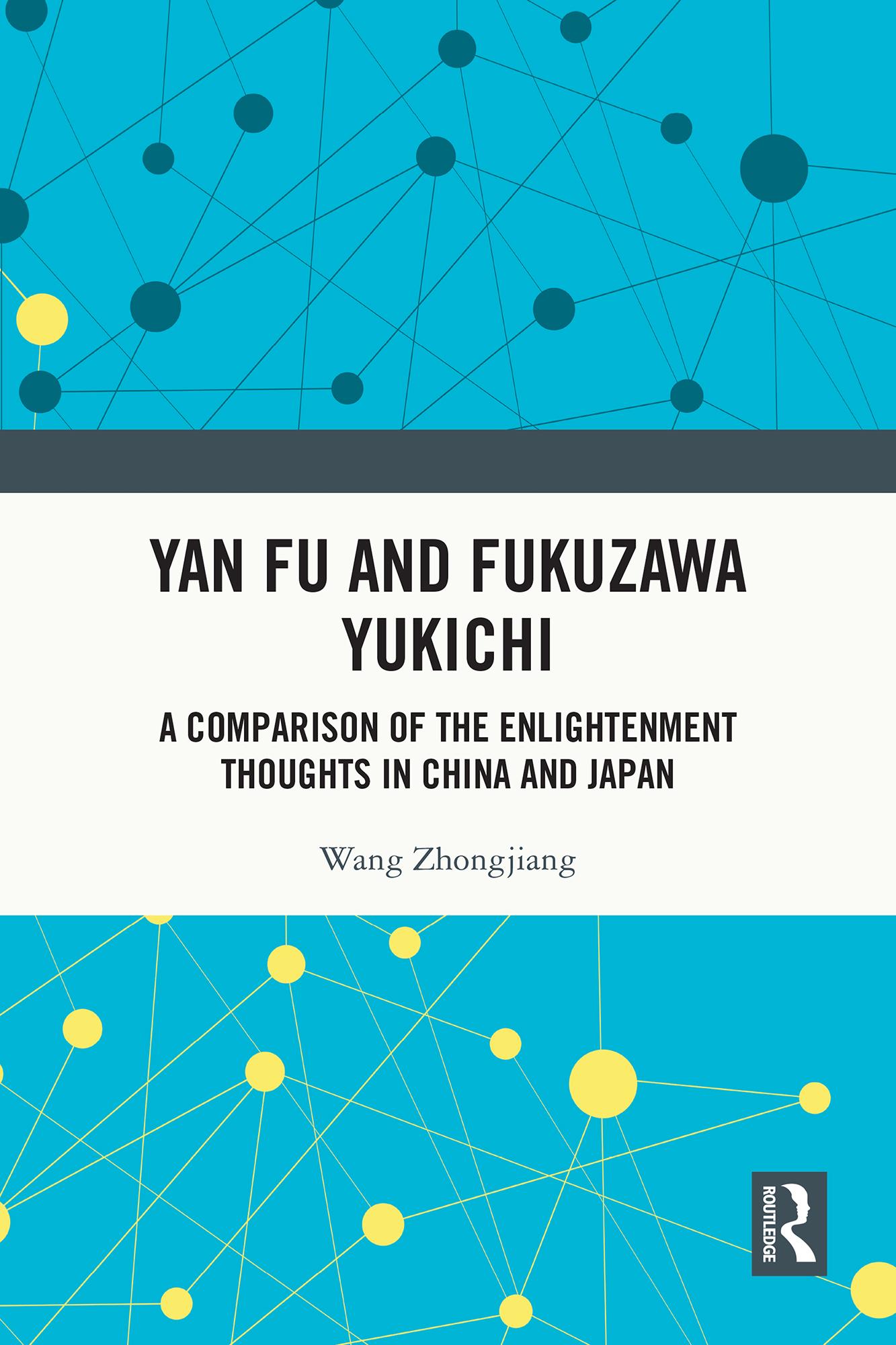
This book compares the enlightenment thought of China and Japan amid 19th-century Western imperialism, offering a groundbreaking analysis of how two iconic thinkers shaped their nations’ divergent paths to modernity.
Through 12 analytical chapters, the book explores how Yan Fu of China and Fukuzawa Yukichi of Japan navigated the paradox of tradition versus progress. Key themes include their contrasting approaches to Western science, political freedom, economic reform, and cultural identity, revealing why Japan embraced rapid modernization while China struggled. The work dissects critical frameworks such as “Chinese essence/Western application” versus “Japanese spirit/Western knowledge” and is enriched by an analysis of archival documents on their views on law, religion, education, and historical evolution. By juxtaposing closed-door policies of Ming/Qing China and Tokugawa Japan with post-collision transformations, it illuminates how enlightenment ideals fueled national survival.
This cross-cultural analysis is essential for historians, Asian studies scholars, and policymakers as it bridges philosophy, political science, and intellectual history. Librarians and educators will appreciate its relevance to debates on global modernization and ongoing cultural dialogues in East Asia.
Płać wygodnie kartą, Klarną, Apple Pay lub Google Pay. Nie jesteś zadowolony? Zawsze masz 14-dniową gwarancję zwrotu pieniędzy. Więcej przeczytasz w naszych warunkach. Masz pytania? Napisz do nas na hello@memmo.org.
Memmo ułatwia naukę – gdziekolwiek jesteś na świecie. U nas znajdziesz podręczniki i sprytne narzędzia do nauki w jednym miejscu: streszczenia, quizy, podcasty i fiszki. A do tego Ted, Twój kumpel do nauki, który odpowie na wszystko, co Cię nurtuje. Ponad 50 000 studentów już tu się uczy – stworzone, byś uczył się szybciej i mniej stresował.