
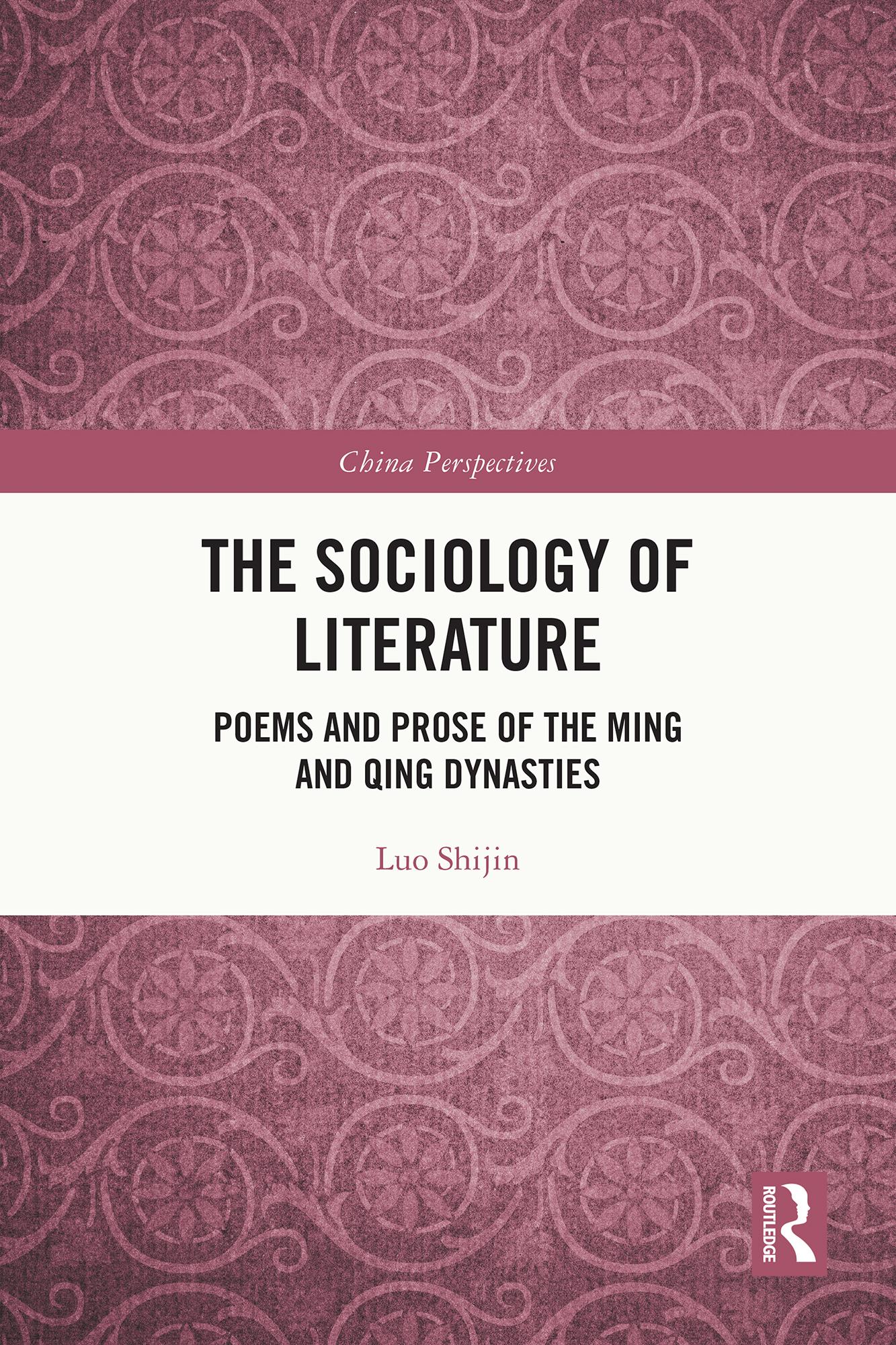
This groundbreaking book offers a fresh perspective on classical Chinese literature. Using literary sociology, it demonstrates how social, cultural, and political forces shaped the poetry and prose of the time, and how writers responded to it.
The author employs the compelling metaphor of a “literary ferry” to carry intellectuals, their creative works, and literary practices across historical waters. Through this conceptual framework, the book sheds light on the interplay between literary texts from the Ming and Qing dynasties and their broader contexts, including historical movements, societal structures, class dynamics, institutional systems, clan relationships, community networks, market economies, and geographical influences. It meticulously examines how literature navigates complex social and historical currents while preserving its aesthetic integrity and distinctive literary qualities. Furthermore, it establishes a comprehensive methodological framework for analysing how social environments shape literary production and reception throughout China's rich literary history.
This volume will serve as an invaluable reference for researchers and students specializing in traditional Chinese literature and comparative literary studies, particularly resonating with scholars studying the intersection of literature and sociology. For general readers, the book offers a fascinating exploration of the cultural, social, and historical forces that shaped China's greatest literary masterpieces.
Płać wygodnie kartą, Klarną, Apple Pay lub Google Pay. Nie jesteś zadowolony? Zawsze masz 14-dniową gwarancję zwrotu pieniędzy. Więcej przeczytasz w naszych warunkach. Masz pytania? Napisz do nas na hello@memmo.org.
Memmo ułatwia naukę – gdziekolwiek jesteś na świecie. U nas znajdziesz podręczniki i sprytne narzędzia do nauki w jednym miejscu: streszczenia, quizy, podcasty i fiszki. A do tego Ted, Twój kumpel do nauki, który odpowie na wszystko, co Cię nurtuje. Ponad 50 000 studentów już tu się uczy – stworzone, byś uczył się szybciej i mniej stresował.