
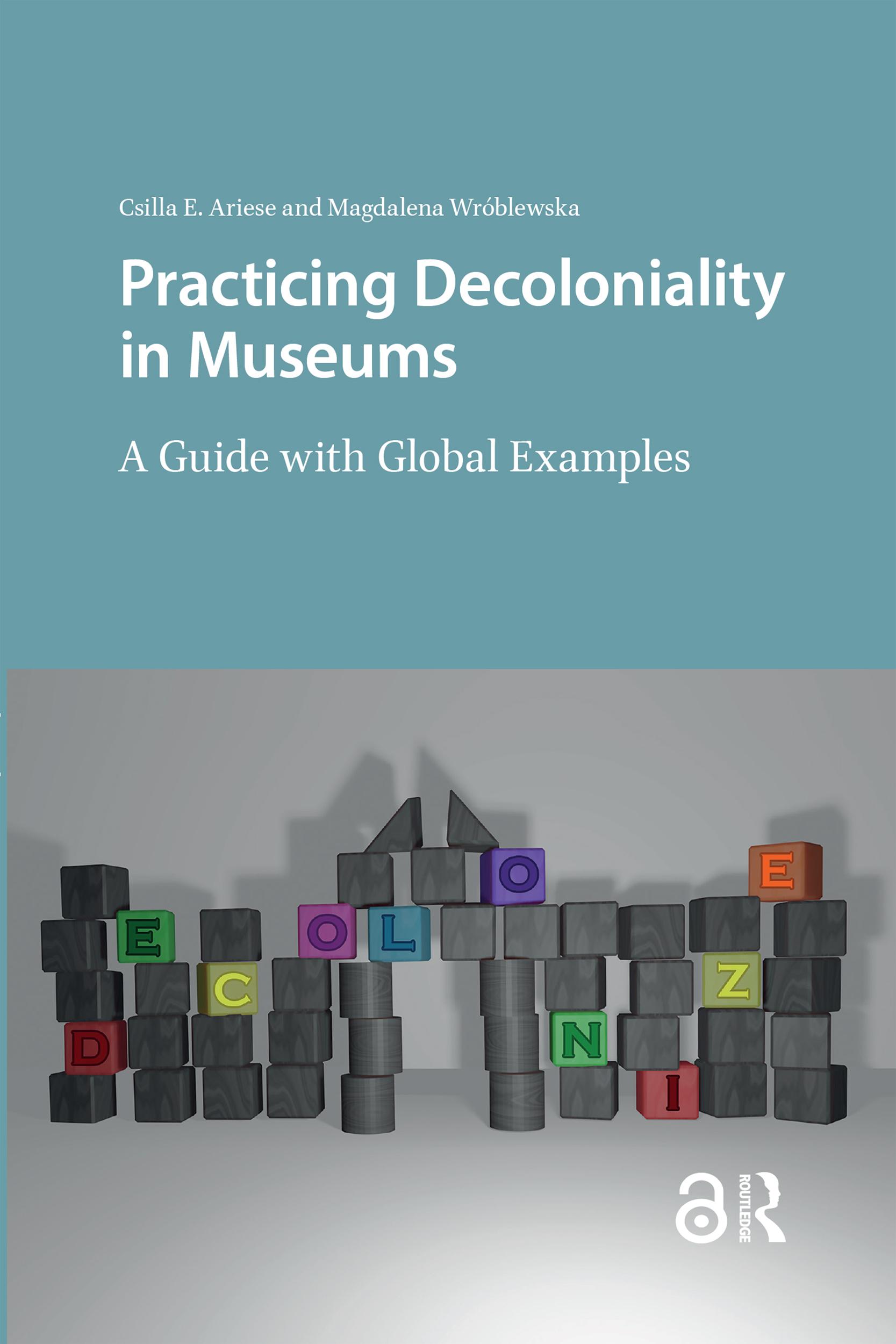
The cry for decolonization has echoed throughout the museum world. Although perhaps most audibly heard in the case of ethnographic museums, many different types of museums have felt the need to engage in decolonial practices. Amidst those who have argued that an institution as deeply colonial as the museum cannot truly be decolonized, museum staff and museologists have been approaching the issue from different angles to practice decoloniality in any way they can. Practicing Decoloniality in Museums: A Guide with Global Examples collects a wide range of practices from museums whose audiences, often highly diverse, come together in sometimes contentious conversations about pasts and futures. Although there are no easy or uniform answers as to how best to deal with colonial pasts, this collection of practices functions as an accessible toolkit from which museum staff can choose in order to experiment with and implement methods according to their own needs and situations. The practices are divided thematically and include, among others, methods for decentering, improving transparency, and increasing inclusivity.
Płać wygodnie kartą, Klarną, Apple Pay lub Google Pay. Nie jesteś zadowolony? Zawsze masz 14-dniową gwarancję zwrotu pieniędzy. Więcej przeczytasz w naszych warunkach. Masz pytania? Napisz do nas na hello@memmo.org.
Memmo ułatwia naukę – gdziekolwiek jesteś na świecie. U nas znajdziesz podręczniki i sprytne narzędzia do nauki w jednym miejscu: streszczenia, quizy, podcasty i fiszki. A do tego Ted, Twój kumpel do nauki, który odpowie na wszystko, co Cię nurtuje. Ponad 50 000 studentów już tu się uczy – stworzone, byś uczył się szybciej i mniej stresował.