
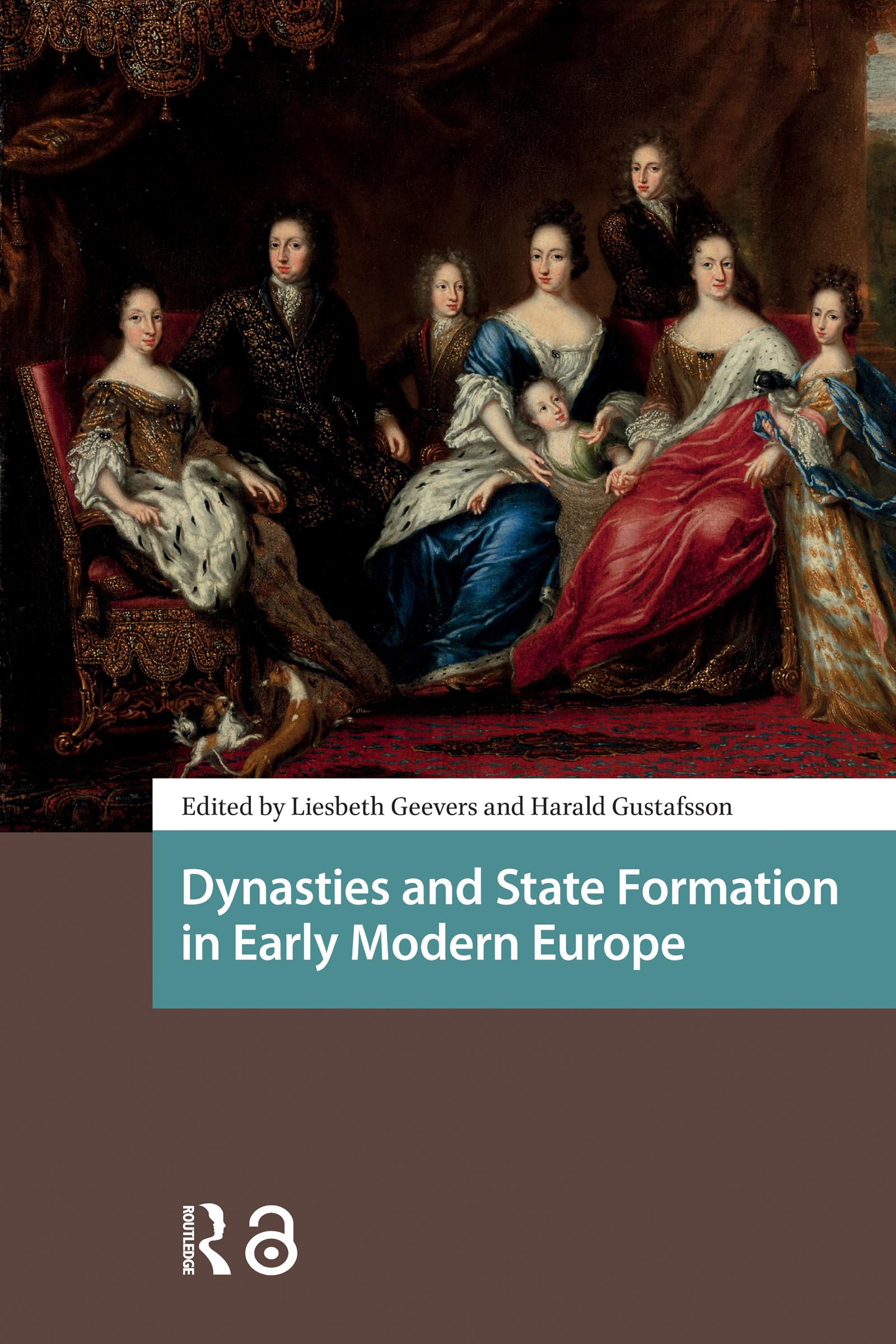
In state formation research, princely houses have been a blind spot. The development of states has been discussed from many perspectives, like interstate competition, internal social conflicts, fiscal-military developments, etc., but at the centre of most European states, there was a princely house. These ruling houses have been overlooked in studies about state formation. What’s more, when discussing such dynasties, the vertical chronological perspective (grandfather-father-son) is all dominating, for instance in the focus on dynastic continuity, dynastic culture and representation, and the like. This collection of essays highlights the horizontal perspective (ruler, all children, siblings, cousins), in asking how the members of a princely family acted as a power network. The quest is to develop an understanding how this family network interplayed with other factors in the state formation process. This volume brings together existing knowledge of the topic with the aim of exchanging insights and furthering knowledge.
Płać wygodnie kartą, Klarną, Apple Pay lub Google Pay. Nie jesteś zadowolony? Zawsze masz 14-dniową gwarancję zwrotu pieniędzy. Więcej przeczytasz w naszych warunkach. Masz pytania? Napisz do nas na hello@memmo.org.
Memmo ułatwia naukę – gdziekolwiek jesteś na świecie. U nas znajdziesz podręczniki i sprytne narzędzia do nauki w jednym miejscu: streszczenia, quizy, podcasty i fiszki. A do tego Ted, Twój kumpel do nauki, który odpowie na wszystko, co Cię nurtuje. Ponad 50 000 studentów już tu się uczy – stworzone, byś uczył się szybciej i mniej stresował.
Może Ci się spodobać
Kup książkę0