
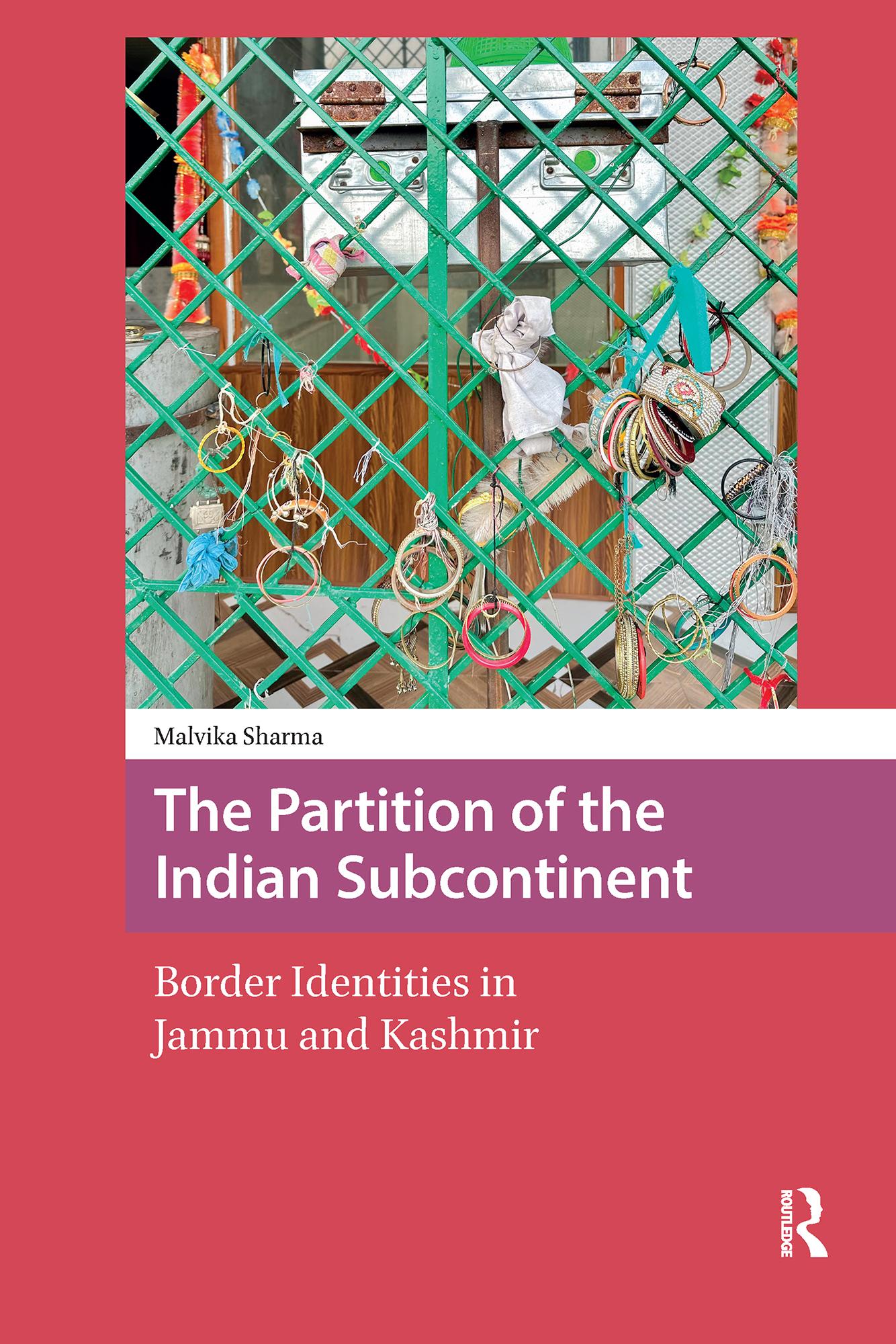
Pir-Panjals, the Himalayan ranges in Jammu and Kashmir, are home to various communities known for their distinctiveness, heterogeneity and diversity. Such diversity is historically embedded in the fluidity embodied by folds of Panjals. These folds encapsulated social, cultural, and religious plurality within the principalities that thrived here. The Partition of 1947 profoundly altered this by carving lines of demarcation—present day line-of-control—into the landscape. These lines have territorially, religiously and culturally divided ethnicities, including the Paharis of Poonch, known for multi-religious and linguistic cohesion. This book examines Partition’s impact on these pockets of diversity by exploring how Partition’s borders continue to shape social, symbolic and religious boundaries and how these boundaries impact shared plurality here. The work emphasizes the need to identify and archive sources of plurality so that their cultivation and practice continue to counter “the binaries” that essentially homogenize life-ways into categories of us versus them.
Płać wygodnie kartą, Klarną, Apple Pay lub Google Pay. Nie jesteś zadowolony? Zawsze masz 14-dniową gwarancję zwrotu pieniędzy. Więcej przeczytasz w naszych warunkach. Masz pytania? Napisz do nas na hello@memmo.org.
Memmo ułatwia naukę – gdziekolwiek jesteś na świecie. U nas znajdziesz podręczniki i sprytne narzędzia do nauki w jednym miejscu: streszczenia, quizy, podcasty i fiszki. A do tego Ted, Twój kumpel do nauki, który odpowie na wszystko, co Cię nurtuje. Ponad 50 000 studentów już tu się uczy – stworzone, byś uczył się szybciej i mniej stresował.