
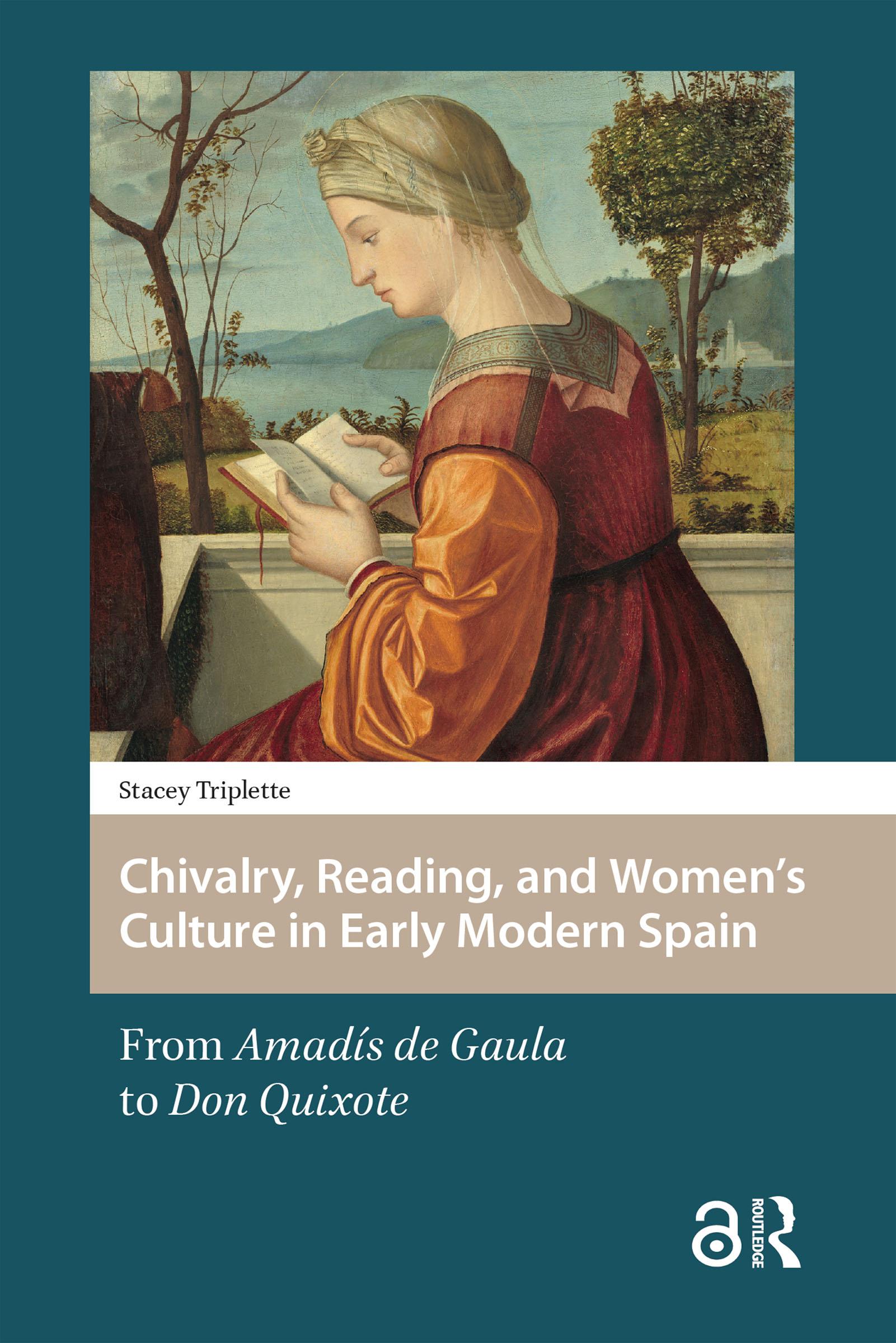
The Iberian chivalric romance has long been thought of as an archaic, masculine genre and its popularity as an aberration in European literary history. Chivalry, Reading, and Women's Culture in Early Modern Spain contests this view, arguing that the surprisingly egalitarian gender politics of Spain's most famous romance of chivalry has guaranteed it a long afterlife. Amadís de Gaula had a notorious appeal for female audiences, and the early modern authors who borrowed from it varied in their reactions to its large cast of literate female characters. Don Quixote and other works that situate women as readers carry the influence of Amadís forward into the modern novel. When early modern authors read chivalric romance, they also read gender, harnessing the female characters of the source text to a variety of political and aesthetic purposes. This book analyses many versions of the romance from Spain, Portugal, France, Italy, and England and tells a new story of the life, death, and influences of Amadís.
Płać wygodnie kartą, Klarną, Apple Pay lub Google Pay. Nie jesteś zadowolony? Zawsze masz 14-dniową gwarancję zwrotu pieniędzy. Więcej przeczytasz w naszych warunkach. Masz pytania? Napisz do nas na hello@memmo.org.
Memmo ułatwia naukę – gdziekolwiek jesteś na świecie. U nas znajdziesz podręczniki i sprytne narzędzia do nauki w jednym miejscu: streszczenia, quizy, podcasty i fiszki. A do tego Ted, Twój kumpel do nauki, który odpowie na wszystko, co Cię nurtuje. Ponad 50 000 studentów już tu się uczy – stworzone, byś uczył się szybciej i mniej stresował.